The Algal Biomass Organization (ABO) may be relatively young, having been formed in March of 2006, but they have made some significant strides in Washington, D.C. in lobbying for advanced biofuels such as algae, to play on the same field as cellulosic biofuels. I caught up with Mary Rosenthal, ABO’s executive director after her multi-day trip to D.C. to learn more about their efforts. While in DC, the 26 members met with 51 Congressional leaders from both houses. Compared to last year, Rosenthal said they doubled the amount of meetings and of those they met with, nearly 60 percent had a good base of knowledge about advanced biofuels and specifically algae. However, she noted that there was still some Algae 101 that needed to take place.
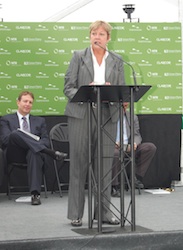 While on the ground, the ABO team had three main messages. Maybe the biggest issue is helping algal biofuels achieve parody with cellulosic fuels. Back in 2007, when the Renewable Fuels Standard was passed and since updated (RFS2), algae wasn’t really in the game. As a consequence, Rosenthal and her members are working hard to get algal biofuels included in the advanced biofuels category. In addition, cellulosic fuels currently receive a $1.01 per gallon tax credit but algal biofuels receive no tax credit. Therefore, the organization is lobbying hard to get the same tax credit extended to algae fuels. Bill HR 1149 was introduced in the Congress by Brian Bilbray (R-CA.) and this bill would give algal biofuels the same tax credit. Rosenthal said they expect a companion bill to be introduced in the Senate by Senators Jeff Bingaman (D-NM) and Bill Nelson (D-FL).
“Let’s let innovation led the way. Let’s be technology agnostic and feedstock neutral. Let’s not pick winner’s and losers. Take out the 16 billion carve out for cellulosic and open it up to any type of advanced biofuels including algae,” said Rosenthal.
In addition to these two messages, ABO also spent time reinforcing that the industry is here to create jobs. “We have more than 20,000 jobs either directly or indirectly associated with the algae industry today and we feel we can grow that more than ten-fold in 10 years,” said Rosenthal. She also said an important message was that algae is a new agricultural crop that would help rural economies.
Listen to my interview with Mary Rosenthal here: The Algal Biomass Organization Goes to Washington
I asked Rosenthal how long it would be before we see commercial scale algal biofuel production. While it’s hard to know for sure, Rosenthal is excited about the technology breakthroughs that are happening and she believes we’re about 5 years away. She has the opportunity to see what’s in the pipeline before others and she’s really excited about what’s coming next. Rosenthal participated in BioProcess Algae’s dedication of their Grower Harvester bioreactors on April 15 and she said more major technology breakthrough’s will be announced during their 5th Algae Biomass Summit October 25-27, 2011 in Minneapolis, Minn.
The next step for the group is to continue monitoring HR 1149 and its companion bill and they will also be paying close attention to the upcoming farm bill. She believes that policy makers are now aware of algae and open to its benefits and as a result, anticipates that algae will be included in energy and agricultural policy moving forward.


 A San Francisco Bay Area biodiesel producer will offer its locally produced green fuel starting this Friday, April 22, Earth Day.

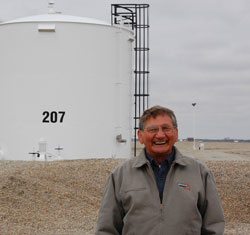 The regional agricultural supply company bought the Menard Terminal from Magellan Midstream Partners in 2008 and today it handles gasoline, diesel, ethanol and biodiesel for FS members within a 120 mile radius, in addition to non-member companies like Casey’s and Thornton’s.
  GROWMARK has expanded into other areas of business besides agriculture to help their member companies continue to have the opportunity to grow. Lincoln Land FS Energy Marketing Manager Scott Long says they provide fuel for construction sites, asphalt companies and other non-agricultural clients to use their equipment and their people as efficiently as possible. “During the farming season we’re really busy, but during the other times of the year we need other income streams to support the farmers,” said Long. “We’ve grown about 70 percent in the last five years and most of that has been on the commercial side.”