NEC 2027

EIA Previews New State Energy Portal

Joanna Schroeder

2013_05_smallThe U.S. Energy Information Administration (EIA) has launched the most comprehensive, dynamic, and interactive view of the U.S. government’s national and state energy data and information currently available to the public. The state energy portal adds a unique visual dimension to each state’s energy resources and infrastructure.

The agency designed the new portal with a range of users in mind, including policy makers, energy analysts, and the general public, who want to locate and compare state energy data and rankings and customize their own maps and charts, using an assortment of interactive tools.

“The EIA state energy portal raises the bar for visually segmenting state-level energy data. It provides a wealth of energy information to a wide variety of users, including state officials wanting detailed information on the mix of energy resources in their state, analysts assessing a state’s energy sustainability, or government officials seeking the most comprehensive energy information to help develop energy policy,” said EIA Administrator Adam Sieminski.

The portal takes EIA’s vast portfolio of state energy data and analyses and organizes it geographically. Its comprehensive 30-layer mapping feature provides a dynamic visual representation of energy infrastructure and energy resources at the national, state, Congressional district, or county level. Map layers for Federal lands and Electric Reliability regions are also included.

The new portal is EIA’s response to requests from policy makers and energy experts for quick access to multi-level state energy data presented in an easy-to-understand way. EIA collaborated with state energy officials and other stakeholders on the portal’s design and solicited feedback from the public during the beta phase of the project.

Miscellaneous

Genscape Launches 1M QAP-B-Assured RINs

Joanna Schroeder

Through Genscape’s Quality Assurance Plan (QAP), there are now 1,058,000 QAP-B Renewable Identification Numbers (RINa) available for identification to obligated parties using Genscape’s RIN Integrity Network, a visual platform where obligated parties identify producers offering QAP RINs. Genscape’s validation process utilizes the its monitoring technology to offer a cost-effective and truly independent solution to ensure producers are meeting the EPA’s RFS2 regulations.

Genscape Logo Genscape B-RINs are validated using the same  technology and monitoring processes as their A-RINs. “The Genscape B-RIN should be even more valuable than any other QAP provider B-RINs because of the rigor and transparency of Genscape’s processes,” said David Dunn, a broker with Progressive Fuels Limited (PFL). “Their model allows for sign-off on all B-RINs from any producer whereas other providers might not get a blanket acceptance because of their plant-by-plant auditing process.”

Through QAP pre-registration on the EPA website, Genscape is able to provide A-RIN and B-RIN assurance in the interim period between January 1, 2013 and the final QAP rulemaking.

“The interim period enables obligated parties to take advantage of the benefits of affirmative defense and the A-RIN backing before the rule is final. We are aggressively responding to market demand for QAP’d RINs in the interim period,” added Olson.

biofuels, RINS

Rep. Jim Sensenbrenner: Stop E15

Joanna Schroeder

Following the House Committee on Science, Space and Technology’s mark up and ultimate approval of H. 875, legislation designed to untimely repeal approval of E15 that was introduced by Rep. Jim Sensenbrenner.

Rep Jim Sensenbrenner“The House Science Committee is ignoring hard data and facts that show E15 is reliable and the most tested fuel to date,” said Tom Buis, CEO of Growth Energy. “It is ironic that many members of the Committee chose to ignore the science, kick the can down the road and keep our nation addicted to foreign oil. Clearly this legislation does nothing to increase our energy security or independence; rather it only provides additional roadblocks and legislative hurdles for homegrown American energy from entering the commercial marketplace.

Buis continued, “H. 875 is a legislative tactic to delay, and ultimately repeal approval of E15. This is truly unfortunate as E15 is the most tested fuel to date and all the ethanol industry is asking for is the chance to compete in a free marketplace, where market share is not blocked and consumers and retailers have the opportunity to make the voluntary choice of the fuel they wish to use. However oil companies, refiners and special interests know that once higher blends of biofuels become available, consumers will line up to get a cleaner, higher performing, better fuel that is made in America instead of paying more to continue our reliance on foreign oil.”

Bob Dinneen, President and CEO of the Renewable Fuels Association (RFA), added, “This legislation is a tribute to stubbornness. Congressman Sensenbrenner refuses to acknowledge that E15 is a thoroughly tested and approved fuel option that gives consumers a cost-saving, environment-enhancing, domestic renewable choice at the pump. E15 has been test driven the equivalent of 4,700 round trips from Washington, D.C. to Milwaukee. If he doesn’t want to use it, fine, but American drivers have a right to choose. Stop throwing bad paid-for ‘science’ and scary warnings around in the name of oil monopoly protectionism.”

E15, Ethanol, Growth Energy, Legislation, RFA

USDA Increases Corn for Ethanol Use

Cindy Zimmerman

usda-logoThe latest World Agricultural Supply and Demand Estimate released this week increased 2012-13 year-ending corn stocks and corn use for ethanol.

Domestic corn use for 2012/13 is projected 100 million bushels lower as a 50-million-bushel increase in corn used to produce ethanol partly offsets the lower projection for feed and residual disappearance. Larger-than-expected March
1 corn supplies, lower corn prices, and favorable margins for producing and blending ethanol limit the expected year-to-year decline in ethanol production during the second half of the marketing year (March-August).

The report also projects higher world corn production, increasing 1.5 million tons for Brazil, 1.4 million tons for Europe with upward revisions to production in Spain, Hungary, and Poland and a bit more for Russia on the final government estimate.

corn, Ethanol, Ethanol News, USDA

Biodiesel Board Announces Bioheat Campaign Winners

John Davis

BioHeatBioheat is doing more than warming bodies; it’s warming hearts. The National Biodiesel Board announced the winners of its NYC Proud 2B2 Renewable Warmup campaign, a four-week program recognizing charities in the New York area that dedicate their time and energy to provide much needed warmth to the city’s residents. A total of $30,000 in grants have gone out to three NYC charities, the largest recipient being the United Way’s Project Warmth, getting a $15,000 grant.

The United Way Project Warmth helps “warm” NYC, providing assistance to vulnerable Long Islanders who heat their home with oil. Their donation of oil heat helps families overcome a short-term financial hardship. They also offer case assistance, which results in 80% of families not needing assistance after. Their initiative also played an instrumental part in helping NY and NJ recover from Hurricane Sandy.

Achilles for Kids, a charity that wants to give out 3,500 pairs of new sneakers to low-income children with disabilities who complete a virtual marathon, received a $10,000 grant. The New York Foundling After School Program, which helps children in the South Bronx with tutoring, homework support and ongoing enrichment opportunities, picked up a $5,000 grant.

The article goes on to say that New York City is the country’s largest municipal user of biodiesel, with a 2 percent mandate for home heating oil.

Paul Nazzaro, president of Advanced Fuel Solutions and advocate for the National Biodiesel Board’s Bioheat Fuel education program stated, “Our NYC Proud 2B2 Renewable Warmup campaign has increased awareness and support of not only Bioheat Fuel, but the profile of the great work that so many of the greater NYC nonprofits provide. As we look to increased use of Bioheat Fuel by NYC and others, we help to clean up our air and create more jobs in the heartland of our country. It’s a sustainable movement that everyone can participate in.”

Biodiesel, NBB

Social Network Chaos

Talia Goes

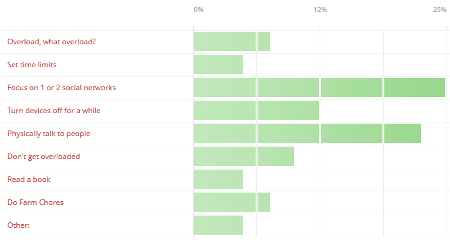
Our latest ZimmPoll asked the question, “How do you combat social media overload?” We live in a new media world where we can communicate instantly with one person or the whole world. Does it ever bother you? Do you have to take a break from it all?

Our poll results: Twenty-five percent said Focus On 1 or 2 Social Networks, twenty-three percent said Physically Talk To People, thirteen percent Turn Devices Off For a While, ten percent Don’t Get Overloaded, eight percent Do Farm Chores and said Overload, What Overload?, five percent Set Time Limits, Read a Book, and Other. Based on poll results, focusing on one or two social media networks rather than all of them helps most people keep the chaos at ease.

Untitled

Our new ZimmPoll is now live and asks the question, “Have you started spring planting?” The weather has been less than predictable over the last month, this time last year many of you were already in the fields. Has it delayed your spring planting date? Let us know.

ZimmPoll is sponsored by New Holland Agriculture.

New Holland, ZimmPoll

Biodiesel Choice of Fleets Replacing Petroleum

John Davis

eiaThe latest data from the U.S. Energy Information Agency shows alternative fuel use is up. And when it comes to what the groups using fuel at the highest rates, the larger, medium duty vans, are picking to replace non-renewable oil, that choice is biodiesel.

Many fleets meet petroleum reduction requirements by using biodiesel rather than alternative fuels. Changes in biofuel subsidies, specifically replacement fuels like ethanol and biodiesel, affect consumption trends in the marketplace. With the reinstatement of the biodiesel tax credit and the requirements under the Renewable Fuel Standard, consumption of biodiesel grew almost 240% between 2010 and 2011.

The report goes on to say ethanol consumption during the same period remained flat, but the use of electricity in light-duty automobiles increased by 36 percent.

Biodiesel, Government

RFS Reform Bill Introduced

Joanna Schroeder

Rep Bob GoodlatteThis afternoon, Reps. Bob Goodlatte (R-VA), Jim Costa (D-CA), Steve Womack (R-AR), and Peter Welch (D-VT) released the RFS Reform Act in the U.S. House of Representatives. During a press conference to “unveil:” the bill Goodlatte said, “The RFS debate is no longer just a debate about fuel or food. It is also a debate about jobs, small business, and economic growth. The federal government’s creation of an artificial market for the ethanol industry has quite frankly triggered a domino effect that is hurting American consumers, energy producers, livestock producers, food manufacturers, and retailers. The broad coalition of organizations supporting this legislation echo the same sentiment: the RFS is not working.”

The representatives say that the RFS is causing food prices to go up, and has not provided relief for consumers at the pump.  In fact, they say, citing the RFS, the EPA is setting the target for refiners to blend cellulosic biofuels into gasoline higher than the amount of cellulosic biofuels that exists. When these non-existent fuels cannot be blended refiners are financially penalized, which ultimately gets passed on to consumers at the pump.

Goodlatte added, “The RFS Reform Act will eliminate corn-based ethanol requirements, cap the amount of ethanol that can be blended into conventional gasoline at 10 percent, and require the EPA to set cellulosic biofuels levels at production levels. Renewable fuels play an important role in our energy policy but should compete fairly in the marketplace. This legislation will bring the fundamental reform this unworkable federal policy needs now.”

The RFS Reform Act is supported by a diverse group of more than 40 organizations.

The renewable fuels industry is aghast at the bill saying it would impede the progress of the renewable fuels industry and takes the choice out of the hands of consumers,  all while protecting the virtual monopoly that oil companies have over America’s transportation fuels.Read More

biofuels, Ethanol, RFS

Growth Energy Heads to the Hill

Joanna Schroeder

Growth Energy and its members are heading to Capitol Hill today to meet with legislators regarding the benefits of the ethanol industry. In particular, participants will discuss the value of E15, the Renewable Fuel Standard (RFS) and the issues surrounding Renewable Identification Numbers (RINs). This morning, the Growth Energy leadership team, CEO Tom Buis, and Co-Chairmen of the Board General (Ret.) Wesley Clark and Jeff Broin (POET) held a brief press call to discuss their efforts on the hill.

US Capitol at dusk photo Joanna SchroederDuring the call, Jeff Broin explained that the RFS guarantees market access to renewable fuels because the volume of ethanol in the market is controlled by the competition, the oil industry. Today, the 10 percent goal that has been created by all the laws (10 percent of all fuel blended in the U.S. contains ethanol) but the potential is much larger. Broin said the country could be at 30 percent of the fuel by 2022 if we meet the RFS goals.

Broin noted that the oil industry has done everything it can to bar market access for E15 from erecting legal and regulatory challenges to a very expensive PR campaign with misinformation. But for the RFS to be successful, the blend wall must be scaled and this can be done by allowing consumer choice at the pump with E15.

General Clark noted that the RFS is the most successful energy policy the U.S. has seen in 40 years. It’s working. But people, such as the oil industry, food industry and the poultry industry would like consumers to believe this is not the case.

“When you open market access,” said Clark, “the market will sort itself out if given the chance. “But when you’re dealing in the fuels business you’re going against the greatest economic force on the planet, which is the petroleum industry. And they’re doing everything in their power, including working through non-governmental organizations, some governments, warning them,imploring them not to move away from their exclusive reliance on petroleum. It just shouldn’t be.”

“So the RFS is the lead effort in the move to break the monopolistic grip of the petroleum industry on liquid fuels. And we’re right now with the RFS where we’re really getting traction,” Clark concluded.

Listen to the press conference here:Growth Energy Heads to the Hill

Audio, Ethanol, Growth Energy, RFS, RINS

Extreme Biodiesel to Acquire Promethean Biofuels

John Davis

extremeprometheanCombine small with community, and you might get a big deal! Biodiesel Magazine reports that small-scale refiner Extreme Biodiesel announced it wants to acquire fellow California renewable energy maker, Promethean Biofuels, a community-scale biodiesel producer and cooperative corporation that also provides waste oil and used motor oil collection services:

“This relationship between Extreme Biodiesel and Promethean has flourished over the past several years, with talks of an acquisition having taken root several months ago,” said Joe Spadafore, Extreme Biodiesel’s corporate secretary. “This is an outstanding opportunity to expand the company in the industry with a means to enter into a cooperative environment through an established company with over 300 existing clients. This addition to Extreme Biodiesel, we anticipate, can be another solid revenue-generating venue for the company.”

Extreme Biodiesel is known for its “Mini Refineries,” waterless systems that can make 600 gallons of biodiesel per day.

Biodiesel, biofuels