

 Sapphire Energy and The Linde Group have announced a multi-year partnership to co-develop a low-cost system to deliver carbon dioxide (CO2) to commercial-scale, open-pond, algae-to-fuel cultivation systems. Linde, who is a leading supplier of CO2 in the US, will work with Sapphire to reduce the costs incurred when delivering CO2 for commercial-scale open pond algae cultivation. In addition, Linde will supply the CO2 for Sapphire’s commercial demonstration biorefinery in Columbus, New Mexico. A single commercial algae-fuel production facility is estimated to require around 10,000 metric tons of CO2 per day, which is comparable to approximately 30 percent of the current merchant market for CO2 in the U.S.
“Producing fuel by algae using CO2 from large emitters like power stations and chemical plants is a very promising way of reducing greenhouse gas emissions,” said Dr. Aldo Belloni, member of the Executive board of Linde AG. “We are delighted to be a key partner in Sapphire’s algae-to-biofuel activities. This is one of the many examples for innovative ‘clean energy’ projects that Linde is involved in.”
Sapphire has been developing propriety technology throughout the algae-to-energy value chain including biology, cultivation, harvest, extraction. Focused on green crude drop-in fuels such as jet, diesel and gasoline, Sapphire’s algal biofuels will be compatible with current infrastructure and engines. Algae is a good source of feedstock for biofuels and biochemicals in part because it grows in salty, non-potable water, uses lands not suitable for agriculture and requires only sunlight and CO2 to grow. Sapphire’s technology represents an approximate 70% reduction in lifecycle carbon emissions compared to petroleum-based equivalents.
“The need for new sources of fuel as dependency on oil becomes more and more problematic is clear. To produce algal oil, or ‘green crude’ at the scale to meet growing demand, we need great partners who can supply sufficient and low cost access to CO2,” added Cynthia (C.J.) Warner, president, Sapphire Energy. “Linde has unequaled knowledge in how to efficiently manage the distribution process. Through this collaboration, we are closer to delivering a domestically produced, cost efficient source of algae-based green crude.”
I had the opportunity to visit Sapphire Energy on my San Diego Algae Tour last fall. Click here to see photos.



 Florida’s annual Farm to Fuel Summit has been postponed.
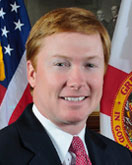 Florida Commissioner of Agriculture Adam Putnam sent out an announcement today saying that a bill passed during the recently concluded Florida legislative session prompted the decision.
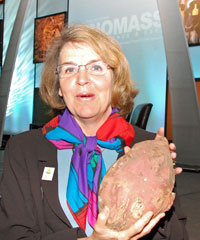 At the International Biomass Conference and Expo last week, Dr. Janice Ryan-Bohac attracted a lot of attention carrying around a sweet potato the size of a newborn baby.
 According to the report, America’s ethanol producers supplied nearly 35 million metric tons (mmt) of livestock feed in the 2009/2010 marketing year, which is greater than the total amount of grain consumed by all of the beef cattle in the nation’s feedlots. For the current 2010/2011 marketing year, feed production from the ethanol industry is projected at 39 mmt.
 The technology has the capacity to covert 150 tons of biomass per day to a syngas that can then be used a a fuel for industrial power and heating applications and Dr. Bert Bennett, ICM Principal Scientist and Process Engineer, says they have been working on it for over three years. “We actually put it in development in 2007. We built the unit and put it into action in 2009 and have been operating for over two years,” he said. “We’re really pleased with how the unit’s performed and now we’ve officially begun to commercialize it.”
 ICM tested more than 13 feedstocks and processed 7,000 tons of biomass over the past two years. “We put close to 4,000 tons of wood chips, that’s sort of the standard, a very easy fuel to do,” Bennett said. Other “hits” included refuse-derived fuels (RDF), tire chips, and corn stover. Some of the more challenging fuels they tested included manure, such as poultry litter.


