

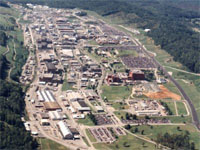
 The Y-12 National Security Complex was a big winner in the Dept. of Energy’s program recognizing environmental sustainability. The complex, located in Oak Ridge, Tennessee, is a premier manufacturing facility dedicated to making our nation and the world a safer place.
Y-12 received three of the eight EStar awards presented this year. One of the awards was for use of mass transit, adding options for bikers and pedestrians, and other efforts — such as use of alternative fuels, such as E85 — to save energy on commuting and vehicle use at the Oak Ridge plant. Another award was for pollution prevention projects that eliminated more than 275,000 kilograms of waste and saved $542,000. The third award was for identifying historical railroad items and donating them to organziations for future use, rather than discarding them and creating additiional waste burdens at taxpayer expense. The project reportedly saved over $40,000 and preserved a number of historical artifacts.
More than 150 projects from the DOE complex were nominated for the awards.
 U.S. Agriculture Secretary Tom Vilsack counted progress toward energy independence among the Obama administration’s first 100 days accomplishments.
  The
The  The 2009
  The
The  Broin. “These POET plants work hard to ensure that safety remains a top priority.”
 A biodiesel maker in Upstate New York has expanded its capacity to turn waste vegetable oil into the green fuel by five-fold.
 Galva Holstein Ag will celebrate the opening of their Renewable Energy Center located at 211 North Main Street in Holstein, Iowa with a tailgate party on May 5. The E85 and biodiesel fuels will be discounted 11 am to 2 pm that Tuesday.
 Indiana Gov. Mitch Daniels signed House Enrolled Act 1193 that will help campuses and school grounds in the state install E85 stations.
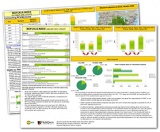 The ethanol industry received some negative news today compliments of the newly released