

The Environmental Protection Agency (EPA) issued final regulations for the nation’s first greenhouse gas reporting system to begin in 2010, but ethanol plants have been removed from the initial list of facilities required to report emissions.
 The regulations require large emitters of heat-trapping emissions to begin collecting greenhouse gas (GHG) data under the new program which will cover approximately 85 percent of the nation’s GHG emissions and apply to roughly 10,000 facilities. Ethanol plants were on the list when it was first proposed in March.
According to EPA, the new reporting system will provide a better understanding of where GHGs are coming from and will guide development of the best possible policies and programs to reduce emissions. The data will also allow businesses to track their own emissions, compare them to similar facilities, and provide assistance in identifying cost effective ways to reduce emissions in the future. This comprehensive, nationwide emissions data will help in the fight against climate change.
Among the facilities that are included in the program are extractors of crude petroleum and natural gas, coal and oil refineries, industrial landfills, and wastewater treatment plants.
 “If the products sold to consumers by Big Food are as half-baked as their ethanol claims, we have a life-threatening food safety crisis in America,” stated Brian Jennings, Executive Vice President of ACE. “Never before has more corn been used to make more ethanol, and yet retail food prices have fallen sharply this year.”
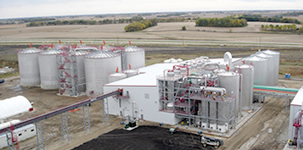 A group of farmer-owned ethanol plants in Minnesota, Iowa and Nebraska have teamed up become the guardians of a
  The grant will allow Iowa State to establish a Wind Energy Manufacturing Laboratory on campus. The lab will feature the work of four faculty researchers: Matt Frank, Frank Peters and John Jackman, all associate professors of industrial and manufacturing systems engineering, and Vinay Dayal, an associate professor of aerospace engineering. The grant will also support the research of five graduate students and several undergraduates.
 • EPA’s GHG [Greenhouse Gas] methodology relies on outdated data that artificially penalizes U.S. biodiesel. GHG emission reductions associated with biodiesel produced from vegetable oils compared to petroleum will significantly exceed the 22 percent assumed by EPA in its proposed rule if the agency relies on scientifically valid analysis and practices. Even with EPA’s assumptions and methodology, correcting the outdated data pertaining to nitrogen fixation, energy balance and co-product allocations would give biodiesel produced from vegetable oil a 62 percent GHG reduction compared to baseline petroleum. When just some of the major flawed assumptions from EPA’s indirect analysis are corrected, the GHG emissions lifecycle reduction for biodiesel from vegetable oils is 99% percent lower than diesel fuel. This number includes penalties to biodiesel for international indirect land use change.
 Biodiesel and ethanol production in Canada is expected to rise more than 75 percent over the next two years, thanks to subsidies from that country.
 The
The  Ken Field, Chairman of
  Back at
  A Texas-based company that has made its living rendering grease and animal carcasses has seen a recent boost to its bottom line… thanks to biodiesel.