

 Last week, we told you new research shows how green biodiesel is. I finally got a chance to catch up with National Biodiesel Board CEO Joe Jobe to talk a little bit about this important study… and what it will mean as the Environmental Protection Agency considers a new Renewable Fuels Standard, RFS-2.
 In this edition of the Domestic Fuel Cast, you’ll hear how Jobe believes the information that biodiesel now produces 4.5 units of energy for every unit of energy spent on it will prove to the EPA and skeptics that biodiesel is truly one of the greenest fuels out there. He says the information couldn’t come at a better time and was included with the NBB’s comments about the RFS-2.
 Jobe adds that the NBB will be showing off biodiesel’s green, sustainable nature with a Greenfest in the board’s hometown of Jefferson, Missouri at Riverside/Ellis Porter Park this Thursday evening, October 22nd from 4-8. He says Jefferson City boasts several users of biodiesel, including the Missouri Department of Transportation, which uses a blend of 20 percent biodiesel (B20) in all of its diesel vehicles. Plus, the city itself burns B20 in its city buses. Fire trucks, ambulances, and hybrid and flex-fuel vehicles will also be on hand for the JC Greenfest, as well as demonstrations from Linn State Technical College and Lincoln University. They’ll even have live music from national recording artist Emily Richards
To hear more of my conversation with Jobe, listen to the latest DF Cast here: [audio:http://www.zimmcomm.biz/domesticfuel/DFCast-10-19-09.mp3]
 Iowa-based Renewable Energy Group has inked a contract with Hawaiian Electric Company to supply the utility with 400,000 gallons of biodiesel for the company’s new Campbell Industrial Park Generating Unit.
 FDC Enterprises
 FDC Enterprises is a parntering with the
  Let me give you an example of why California should not set the stage for energy reform. Just today,
  Wind energy has received another gust with the announcement from U.S. Energy Secretary Steven Chu that three universities have been given
 What’s a loss for some ethanol and biodiesel producers could be a big gain for others looking to expand or get into the green fuel business. A pair of auctions… one in Nebraska and the other in New Jersey… by Maas Companies will offer some brand-new, out-of-the-box ethanol and biodiesel production equipment.
 Carelton, Nebraska is the site of the
  Allison Guyton, director of operation for Maas Companies says her company has been doing these types of sales of biodiesel and ethanol equipment since the 1980s.
 “This project here is an ideal of what this could mean not only to securing our energy future and helping fuel the world and lower emissions, but jobs in Iowa,” Culver said during the event held at the GPRE ethanol plant in Shenandoah. “It’s amazing what this could mean at a time when we really need economic development and job creation.”
 The
The  Volunteers from the ALAMN will be at the two Gold Lot entrances to identify FFVs and distribute the free passes. The ALAMN supports the use of cleaner-burning E85, and has partnered with the Minnesota Vikings to raise awareness and use of the ethanol-based fuel, sold at more than 350 stations in Minnesota. The first 25 FFV drvers in the Gold Lot will receive coupons for 10 cents off per gallon of E85 at the downtown station.
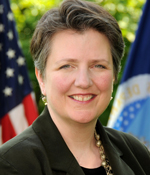 USDA Deputy Secretary Dr. Kathleen Merrigan will get some first hand knowledge of Iowa’s ethanol industry during a tour scheduled for October 20. During her visit, Dr. Merrigan will learn about ethanol production, utilization of co-products and biodiesel research.
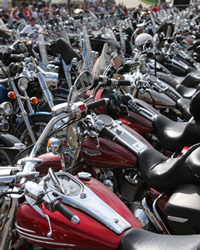 The
The 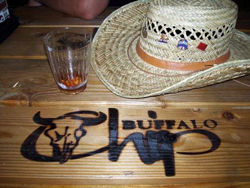 “End of the Ride” photographer Ron Storrm of Wausaukee, Wisconsin was awarded a $100 gift card to the motorcycle dealership of his choice after receiving the Most Voted Award from daily votes submitted to the