

KL Energy Corp. has inked a deal with Fair Energy to move forward with a partnership that would produce cellulosic ethanol in both the U.S. and Europe. KL Energy was the first company to operate a commercial-size demonstration cellulosic ethanol plant located in Upton, Wyo.
 In a press statement, Steve Corcoran, KL Energy’s CEO said, “As the industry continues moving toward the goal of commercializing production of cellulosic ethanol, KL Energy is pleased to have Fair Energy as our partner. The commitment by Fair Energy will allow our company to complete its goal of being the first firm in North America to produce cellulosic ethanol on a constant, commercial scale for use. As other companies begin projects trying to realize industrial scale production, KL Energy will have successfully achieved that goal and become the first cellulosic ethanol plant operating under a 24-hour production schedule this year.”
Earlier this year, KL Energy announced plans to enter the Brazilian market with partner blue Ltda.
 I have written often that the best way for our country to transition to alternative energy is through the community – not through the government. As such, the book, “The Citizen-Powered Energy Handbook Community Solutions to a Global Crisis,” by
  A California company that makes biofuels out of several sources has received a state grant to work on turning the waste from grapes and almonds into biodiesel.
 A man who recycles restaurant grease into biodiesel while busting the myths the green fuel’s opponents have been spreading is being recognized by a network dedicated to sustainability issues.
 As a representative of the biodiesel industry, Baker said he has been involved in dispelling the “myths” created by certain lobbying groups meant to confuse the public about the benefits and characteristics of biodiesel. “It’s been particularly bad the past two years,” Baker said. “One is that biodiesel production and use is worse for the environment, and takes more energy, than petroleum—and that simply is not true,” he said. “The first 15 years I was involved in this business, I never heard that.” Baker feels his role in education and the promotion of biodiesel led to Tri-State’s selection as an SVN Innovator. “There’s been a lot of negative publicity and I’ve been educating legislators and others about the positives.”
 Texas fuel retailers are now selling 10 percent ethanol. Local gas stations have been updating filters, checking tanks and applying green ethanol-blend stickers to put on pumps, but such a change is not without its cost and problems for retailers. The ethanol mixture is the result of 2005 and 2007 federal energy acts requiring specific benchmarks for refineries to produce cleaner-burning fuel.

 “We are delighted to work with the Fagen team,” said Fibrowatt CEO Rupert Fraser, “their experience as EPC contractors is very impressive and we are certain that we are moving forward with a contractor that understands the unique characteristics of our technology. This agreement is another step for us in North Carolina – helping the State move forward towards its goal of being a leader in the implementation of home-grown renewable energy.”
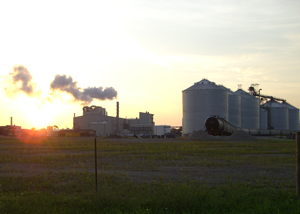 “Profitability has returned,” says Joe Victor, who is Vice President of commodity research advisory firm
  “Growth Energy supports a Low Carbon Fuel Standard as long as it is done right, and the Low Carbon Fuel Standard proposed by the California Air Resources Board is not done right,” said Growth Energy CEO Tom Buis. “It relies on a flawed, unproven and unscientific concept that would punish biofuels, despite the opportunity biofuels like ethanol provide as cleaner, greener fuels that are an alternative to dirty foreign oil.”
 Greensburg, Kansas, literally destroyed by a tornado in May, 2007, is getting some help from the government to have a green energy source supply the power for the town as it continues to rebuild.