

Many states look to California to set the stage for environmental and energy reform. They passed the first greenhouse gas emissions legislation. They passed the Low Carbon Fuel Standard. But not so fast. They are bankrupt. They still have some of the worst air pollution in the country. They still have “brownouts” when it rains.
 Let me give you an example of why California should not set the stage for energy reform. Just today, Biofuels Digest reported that BlueFire Ethanol, a waste -to -energy biofuels company primarily using wood waste, is relocating its second facility from California to Mississippi. Why? A $1 million a year tax hike plus after two years, difficulty getting the permits through. Oh, and did I mention that the DOE threatened to pull its $40 million funding if the project wasn’t sped up?
So BlueFire has sped up. In Fulton, Mississippi.
“We wanted to move quicker, and DOE said we needed to move quicker than we were able to in California,” said BlueFire CEO Arnie Klann in the Digest. “The Economic Development people in Mississippi, and in Itawamba county, welcomed us, and facilitated the project in every way. After going through a 20-month process with our Lancaster facility in California, we expect to be done with permitting by the end of the first quarter, after starting in July, and we have already located an off-take partner for our ethanol, upriver in the Memphis area.
While the plant relocation is great news for Mississippi, it’s sad news for California which will now lose nearly $8.3 million is tax revenue. And let’s face it. This is not the only biofuels project to flee California, nor will it be the last one. If our country is really commited to energy reform then it must not follow the ways of states like Califonia, but follow the lead of states like Mississippi that are welcoming biofuels projects with open arms.
 Wind energy has received another gust with the announcement from U.S. Energy Secretary Steven Chu that three universities have been given
 What’s a loss for some ethanol and biodiesel producers could be a big gain for others looking to expand or get into the green fuel business. A pair of auctions… one in Nebraska and the other in New Jersey… by Maas Companies will offer some brand-new, out-of-the-box ethanol and biodiesel production equipment.
 Carelton, Nebraska is the site of the
  Allison Guyton, director of operation for Maas Companies says her company has been doing these types of sales of biodiesel and ethanol equipment since the 1980s.
 “This project here is an ideal of what this could mean not only to securing our energy future and helping fuel the world and lower emissions, but jobs in Iowa,” Culver said during the event held at the GPRE ethanol plant in Shenandoah. “It’s amazing what this could mean at a time when we really need economic development and job creation.”
 The
The  Volunteers from the ALAMN will be at the two Gold Lot entrances to identify FFVs and distribute the free passes. The ALAMN supports the use of cleaner-burning E85, and has partnered with the Minnesota Vikings to raise awareness and use of the ethanol-based fuel, sold at more than 350 stations in Minnesota. The first 25 FFV drvers in the Gold Lot will receive coupons for 10 cents off per gallon of E85 at the downtown station.
 USDA Deputy Secretary Dr. Kathleen Merrigan will get some first hand knowledge of Iowa’s ethanol industry during a tour scheduled for October 20. During her visit, Dr. Merrigan will learn about ethanol production, utilization of co-products and biodiesel research.
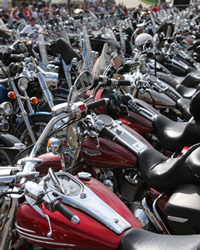 The
The  “End of the Ride” photographer Ron Storrm of Wausaukee, Wisconsin was awarded a $100 gift card to the motorcycle dealership of his choice after receiving the Most Voted Award from daily votes submitted to the
 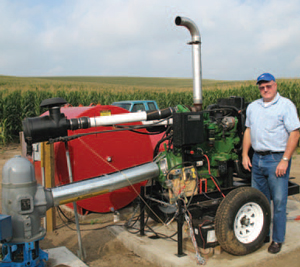 You can’t burn ethanol in a diesel engine. Nope. Just not done. Like mixing oil and water.
  In this edition of the Domestic Fuel Cast, listen to Bob and Ron as they discuss how this process works and how it will help renewable fuels meet the next round of emission requirements set to kick in in 2011.
 The full study, based on the GREET model for corn ethanol emissions, can be downloaded