More corn acreage is in the forecast for this year, according to the USDA Prospective Plantings report out today, and there is still plenty more in storage.
 According to the forecast, farmers intend to plant 88.8 million acres of corn in 2010, three percent more than both last year and 2008. Meanwhile, the Grain Stocks report shows corn stocks as of the beginning of this month were up 11 percent compared to last year at 7.69 billion bushels.
Matt Hartwig with the Renewable Fuels Association says the numbers show that farmers are producing plenty of corn for both food and fuel. “Corn in storage at this point in the year is at its highest level since 1987, a year in which an all-time record surplus of corn was recorded,” Hartwig notes. “The amount of corn currently stored on farms (4.6 billion bushels) is larger than the amount of corn that is expected to be processed into ethanol in 2009/10 (4.2 billion bushels).” Hartwig also points out that the total amount of corn in storage right now (7.7 billion bushels) “is larger than the total amounts of corn harvested annually as recently as the early 1990s.”
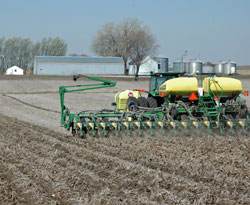 Early reaction to the prospective plantings report is that corn acreage will likely be higher than forecast. While the report estimates corn acreage will increase by 300,000 or more in Illinois, Kansas, Missouri and Ohio, a decrease of 200,000 acres is forecast for Iowa. However, corn growers in Iowa say they definitely expect to see their acres increase when it’s all said and done. Northeast Iowa farmer Tim Burrack, chairman of the Iowa Corn Promotion Board, says the survey was done a few weeks ago when the weather still looked pretty bleak, but that has turned around dramatically. “In our area, I am amazed at how quickly winter left and spring came,” Burrack said during a telephone press conference Wednesday morning. Field work has been underway since Friday and he says they should be ready to plant as soon as the soil warms up.
In southwest Iowa, grower Kevin Ross says the corn that was left unharvested over winter also probably had an impact on the acreage estimate, but the combines are running now and getting the last of that corn out of the fields so they will be ready to plant. Ross says more corn means more ethanol, which means it is even more important for the EPA to approve E15 blends for gasoline. “With the huge stocks being carried out and this extra increase in acres, plus the bushel per acre increase last year, it’s really critical to the success and livelihood of corn farmers to get this corn crop marketed,” he said. “For me and farmers all across the US, E15 being approved by EPA is really very important and I sure as heck hope they see that it’s a good way to go … we need that market.”
Weather in the corn belt this week is nearly ideal for field preparation and soil warming so farmers are hopeful they will not see the planting delays they have experienced the past two years.


 General Motors has announced a five-year partnership with the U.S. Department of Energy to study using jatropha plants for biodiesel.
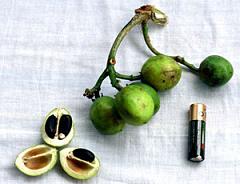 “In the long term, if jatropha is commercially viable, it will reduce dependence on petroleum as well as reduce greenhouse gas emissions and promote economic growth,” said Mike Robinson, GM vice president of environment, energy and safety policy.