 Ethanol Producers and Consumers (EPAC), an educational outreach non-profit organization who supports the production and use of biofuels as a renwable alternative fuel, kicked off their 20th annual conference today in Missoula, MT. “The Biofuel Journey” conference held a number of sessions focusing on ethanol, biodiesel and small grains.
“Twenty years! Who would have thought it?” noted Chairman of the EPAC board, Shirley Ball in her welcome. “Thanks for being here in 2010 to help us celebrate!”
 Montana’s Director of Agriculture Ron De Yong presented opening remarks this morning followed by a video greeting from Senator Max Baucus, Senator Jon Tester and Representative Dennis Rehberg. The session that followed, The Journey Begins. . . “The OFEC (Old Fogie Ethanol Coalition) Perspective” included presentations from Shirley Ball, Larry Johnson of LLJ Consulting and Business Development, Dave Hallberg of PRIME BioSolutions, Patsy Reimche of EPAC, and Todd Sneller of the Nebraska Ethanol Board.
Sessions following included speakers on the topics of: Early Years – Early Support – The Industry Grows, Air Quality, Biodiesel, and Small Grains.
The EPAC conference concludes tomorrow with presentations on: Cellulosic Ethanol, DDG’s, Beyond the Blend Wall: E85, Green Jobs and more.
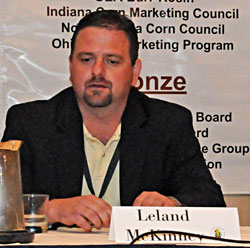 You may be interested to know how grain quality affects ethanol production and DDGs. If so, then you would interested in Leland McKinney’s presentation at the Corn Utilization and Technology Conference, held recently in Atlanta. I spoke with him to learn about his research on this topic. Leland is Extension State Leader in the Dept. of Grain Science at Kansas State University.
 No time like Independence Day to renew the call for renewables to increase our energy independence.
 In a letter to President Obama, U.S. Senator Amy Klobuchar (D-MN) and six other senators expressed concern that the Department of Energy (DOE) has not yet completed testing higher blends of ethanol gasoline, which would allow the Environmental Protection Agency (EPA) to issue a waiver for gasoline with blends of ethanol higher than 10 percent.
 As the nation’s worst oil spill in history threatens the Gulf Coast’s energy, tourism and fishing industries, Florida is continuing efforts to promote the production of renewable energy from biomass resources in the Sunshine State.