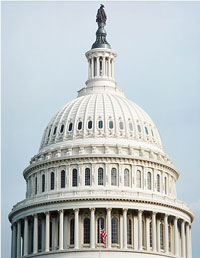
 After defeating a compromise measure proposed by Sen. Max Baucus (D-MT) to extend the Bush tax cuts only for the middle class, the talk on Capitol Hill is now turning to a deal that would keep all of the tax cuts in exchange for extending unemployment benefits.
Baucus had proposed a compromise amendment late Thursday that would have continued unemployment benefits through January 2012 while extending the tax cuts to those making $250,000 or less. The measure would have also extended the blenders tax credit for ethanol for one year at a rate of 36 cents per gallon while maintaining the 54 cents per gallon tariff on ethanol imports and reinstated the expired $1-per-gallon production tax credit for biodiesel and biomass diesel and the small agri-biodiesel producer credit of 10 cents per gallon through 2011.
Domestic ethanol organizations supported the Baucus measure when it was proposed last week. “Senator Baucus’s approach is a good one, recognizing the importance of this investment and providing some market stability as good faith efforts to responsibly reform ethanol tax policy continue,” said Renewable Fuels Association President and CEO Bob Dinneen. Growth Energy CEO Tom Buis commented that the Baucus proposal for extending the ethanol tax credits was “not as high and as long as we had hoped” but that such an extension would “provide certainty in the market and give Congress the opportunity to consider longer term solutions.”
Joel Velasco with the Brazilian Sugarcane Industry Association (UNICA) was not so supportive, especially of keeping the ethanol tariff at its present rate while lowering the blenders tax credit. “The ethanol import tariff shouldn’t exist at all. But if it must, the tariff should be a direct offset of the tax credit that protects Americans from subsidizing foreign production, not a punitive trade barrier,” Velasco said.
The White House reportedly wants to see a deal done this week in Congress to extend the unemployment benefits that ran out for many last week and may be prepared to accept an extension of the tax cuts as well in order to make that happen.
 The Vatican has unveiled a new book detailing the Holy See’s solar power initiatives.
 Vatican City, which is a sovereign city-state consisting of about 110 acres with a population of around 800 people, has a goal of meeting 20 percent of its energy needs with renewable sources by 2020, the target date set by the European Union for its members. That is likely to include a fleet of electric vehicles and possibly a solar-powered electric Popemobile. That idea was discussed during last week’s press conference by Cardinal Lajolo and Milan Nitzscke, communications director for SolarWorld.




 Brazilian President Luiz Inacio Lula da Silva
  In a
In a  While a group of
  “Allowing the provisions to expire or remain expired would threaten jobs, harm the environment, weaken our renewable fuel industries, and increase our dependence on foreign oil,” they wrote, asking that Congress act to “extend the biofuels tax and tariff policies for the longest term possible.”