

Speaker of the Kansas House, Representative Melvin Neufeld (R-Ingalls) says the nation’s future of energy independence starts with places such as Kansas’ first operating biodiesel plant at Sedgwick, Kansas.
This story from the WIBW-TV web site says Healy Biodiesel, Inc is using soybean oil and recycled cooking oils collected from Kansas restaurants:
 “This is the type of alternative energy production the Kansas Legislature envisioned when it approved the Soybean Checkoff several years ago as a way to fund research to find potential uses for soy,” Speaker Neufeld said. “This moves our country one step closer to freeing itself of dependence on foreign oil. Instead of importing oil and diesel, we have a company that is meeting energy needs and keeping the profit here in Kansas.”
The plant creates a B99 blend which is 99% biodiesel and 1% petroleum diesel that can be used in any diesel-fuelled vehicle without any conversion. Annual production is projected at 500,000 gallons. Healy sells the biodiesel fuel for $2.50 per gallon – about .50 lower then current diesel fuel prices.
 A state commission in New Hampshire is considering the viability of the green fuel in the state.
 Detroit motorists had the opportunity this week to get bargain-priced 10 percent ethanol fuel pumped by some top racers at a Marathon Station in Taylor, Mich.


 The U.S. ethanol industry is ready to hit the ground running as the full Renewable Fuels Standard (RFS) is implemented beginning September 1.

 Researchers at the University of Florida are looking into the feasibility of using the jatropha tree as a source for biodiesel.
  Iowa-based Renewable Energy Group is one of just three companies in the country to earn both BQ-9000 certified statuses from National Biodiesel Accreditation Committee (NBAC). It’s a quality assurance program for the production nd marketing of biodiesel.
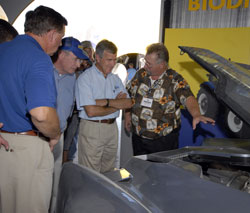 As Cindy mentioned earlier this week, I’m attending the Farm Progress Show in Decatur, IL and biofuels is still a major topic of discussion in agriculture. Many of the booths here are featuring new products that will make the production of ethanol and biodiesel more efficient as we continue to grow our own fuel here in America.