

 The nation’s first eco-sustainable city, which will use biodiesel, ethanol, solar and wind sources to power the community and its green industries (such as building solar panels), has been selected as one among 16 founding projects of the for former President Bill Clinton’s Climate Positive Development Program.
This press release from Destiny, Florida says the Clinton Climate Initiative (CCI) program supports the development of large-scale urban projects that demonstrate cities can grow in ways that are climate positive… real estate developments that strive to reduce the amount of on-site CO2 emissions to below zero:
The Climate Positive Development Program was launched by President Clinton, Founder of the William J. Clinton Foundation, on May 19, 2009, at the C40 Summit in Seoul, South Korea. Along with the other founding projects, Destiny, Florida will demonstrate Climate Positive strategies, setting a compelling environmental and economic example for cities to follow.
To reduce the net greenhouse gas emissions of their Climate Positive Development projects to below zero, property developers and local governments will agree to work in partnership on specific areas of activity. This includes implementing economically viable innovations in buildings, the generation of clean energy, waste management, water management, and transportation and outdoor lighting systems.
“We are proud of the recognition Destiny has received from the Clinton Climate Initiative as an urban development that can help reduce the world’s carbon footprint. Destiny will be a global model city for sustainable living, and a hub where the latest clean technology innovations will emerge,” stated Anthony V. Pugliese, III, Managing Partner and CEO of Destiny.
The 41,000-acre community in Central Florida was founded in 2005.
 The
The  event will focus on technology, feedstock management, market challenges, R&D activities, and near-term policy developments supporting advanced biofuels. In addition, the workshop will emphasize the provisions of the RFS and current efforts to commercialize, low-carbon, advanced biofuels technologies.
 Political insider publication
  I was traveling last week and had the opportunity to rent a Toyota Prius. I jumped at the chance since I was reading, “Plug-In Electric Vehicles: What Roll for Washington,” a book authored by dozens of experts and published by
  Getting ready to take off on your summer vacation? Planning to drive 100… 200… 1,000 miles from home? How about 60,000 miles? That’s been Brian Brawdy’s 11-month long road trip fueled with biodiesel, solar and wind power… plus he captures rainwater when he can to drink.
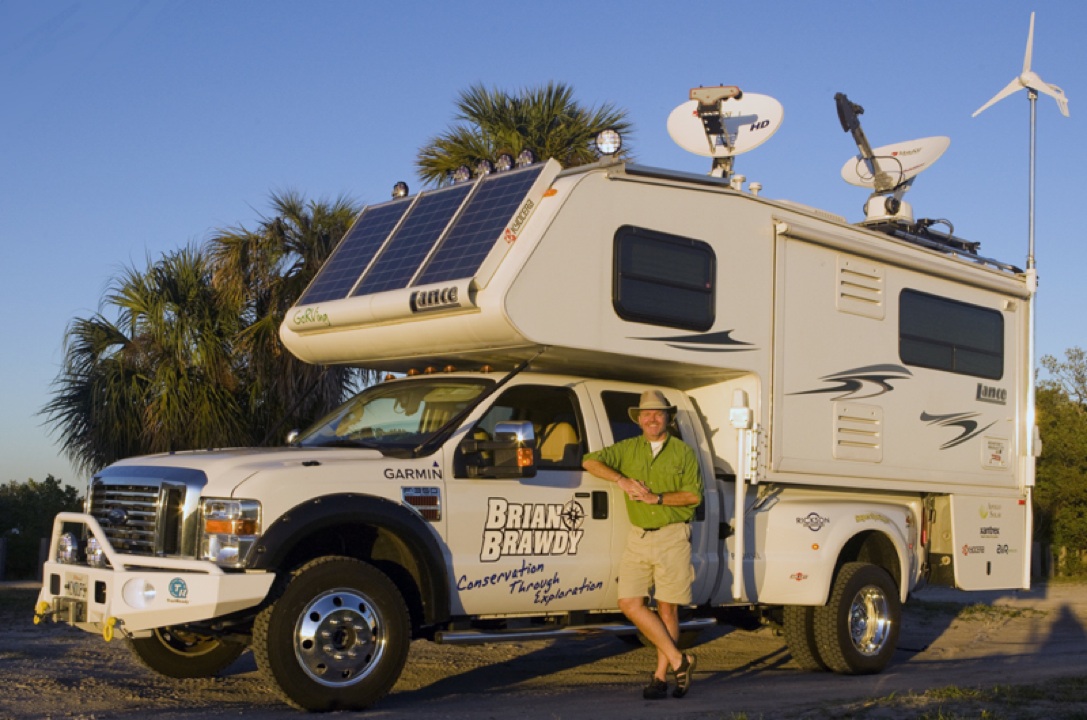 Brawdy has been using a Ford F-350 diesel pickup truck with a camper in the bed during his cross-country adventure he has dubbed “Conservation through Exploration.” In this latest edition of the Domestic Fuel Cast, he tells me that the solar panels and wind turbine have allowed him to get truly off the grid and see some places that most people can’t even get to.
 There are many opportunities and challenges facing the renewable energy industry. To achieve long-term success, one of the greatest hurdles the industry must overcome is garnering consumer support and product adoption. This has been tough for the corn-ethanol industry in part, due to media hostility and biased reporting.
 Duke Energy
 The heads of three ethanol trade associations all presented basically the same message when it comes to using indirect land use changes (ILUC) to evaluate the greenhouse gas emissions of renewable fuels – it is unproven theory that should not be used.
 Tom Buis, CEO of
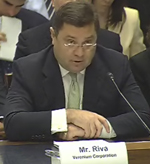 Testimony also centered on the impact ILUC calculations could have on the future development of advance biofuels. “In my view, there are not, and will not be, any “significant” indirect impacts from advanced biofuels production – the literal test required by the terms of EISA,” said
  On June 15, Sunoco Inc. is scheduled to be the owner of a former Miller brewery near Syracuse, NY. Northeast Biofuels L.P. filed bankruptcy in January this year and is now being purchased by Sunoco for $8.5 million.
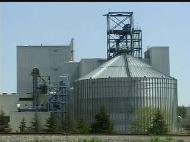 Sunoco spokesman Thomas Golembeski said that this aquisition would supply 25 percent of the ethanol Sunoco needs to blend into gasoline to meet renewable-fuels standards. He noted that Sunoco was attracted to the Northeast Biofuels plant in Volney, NY because it was close to Sunoco’s main operations in the Northeast. Golembeski also said the company hoped to save some money in the shipment of ethanol from the Midwest, where most of the nation’s ethanol is made and where corn production is concentrated.