Making Biodiesel from Microbes and Sugarcane

John Davis

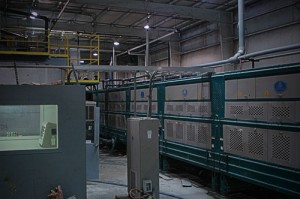
amyris1A California biotechnology company has found a way to turn the waste from microbes eating sugar into biodiesel.

This story from DailyTech.com says that the Amyris Biotechnologies plant is capable of producing 10,000 gallons a year and is being tested in Brazil. In addition, it could make biodiesel even more price competitive:

While biodiesel and biofuels are not exactly a new concept, this is one of the largest test deployments to date of sugar based biodiesel, particularly of a microbial scheme (most biodiesel is formed from plant oils, such as palm oil). The plant aims to produce, with government regulation and carbon taxes, fuel at $60/barrel (approximately $1.43 per gallon). This indicates that their technology may be nearing cost competitiveness with cellulosic ethanol manufacturers — the best of which, Coskata, claims to be on the verge of $1.00 per gallon ethanol.

Advantages of the cellulosic ethanol include being able to come from waste materials unlike the biodiesel that’s formed from sugar crops. However, the biodiesel packs more energy per gallon and the microbes could eventually be genetically engineered to process cellulose as well. It’s hard to tell which solution costs less, given that the target costs for the biodiesel are post-subsidy, while Coskata’s targets are pre-subsidy.

The plant is scheduled to be fully operational by 2011. Right now, it’s probably feasible only in areas of the U.S. that grow sugarcane – Hawaii, Louisiana, Florida… places like that. But the article does point out that a sugarcane-corn hybrid known as corncane might work in more states putting these biodiesel microbes to work in more areas.

Biodiesel

Senate Ag to Hold Climate Bill Hearing

Cindy Zimmerman

The Senate Agriculture Committee has scheduled a hearing for later this month on the Role of Agriculture and Forestry in Global Warming Legislation that is expected to discuss even more safeguards for farming and biofuels in the Senate’s version of a climate change bill.

Tom HarkinSenate Ag Committee Chair Tom Harkin told Energy & Environment News in an article published in the New York Times this week that they want to make sure the Senate bill includes all the provisions House Ag Chairman Collin Peterson secured for agriculture in the House bill and more. Harkin says he would like to include an increase in the ethanol blend rate for gasoline to 15 percent in the Senate bill.

Senate leadership decided this week to delay the climate bill until later in September. Under a deal made Senator Barbara Boxer (D-CA), Majority Leader Harry Reid (D-NV) and White House energy and climate policy chief Carol Browner, the deadline for committees to finish work on the bill is now September 28th instead of September 18.

The Senate Ag Committee hearing is scheduled for July 22 at 2:30 pm. No witness list has been released yet.

Energy, Ethanol, Ethanol News, Farming, Government

DF Cast: Midwest a Good Place for Algae Biodiesel

John Davis

df-logoWhile producing a green fuel from a green pond scum… turning algae into biodiesel… isn’t anything new, doing it in the nation’s breadbasket, where plenty of soybeans for biodiesel are already being grown, is a bit more of a novel concept.

richardsayreIn this edition of the Domestic Fuel Cast, we talk to Dr. Richard Sayre, the Director of the Enterprise Rent A Car Institute For Renewable Fuels at the Donald Danforth Plant Science Center in St. Louis, Missouri. He says the future for biodiesel production in the Midwest could be in the form of the common, single-celled organism that out-produces conventional land crops for biodiesel by two to tenfold.

Sayre says cost is one of the biggest issues to overcome as algae biodiesel right now costs about $4 a gallon. But he believes that with some better technology, in the ponds and in the actual algae cells, that cost could be down to just $2 a gallon… comparable to non-renewable petroleum. And Sayre says algae doesn’t have to be grown in the Midwest, where winters are tougher than more algae-traditional areas, such as the desert areas of the American Southwest. The more moderate summers of the Midwest are actually more conducive to algae growth, and the area obviously has more water, vital for algae. Finally, Sayre says there are techniques, such as harvesting the CO2 and heat from coal-powered plants to keep the ponds clear of ice even in the coldest of winters.

He makes some great points, and you can hear more of it here: [audio:http://www.zimmcomm.biz/domesticfuel/DFCast-7-10-09.mp3]

You can also subscribe to the DomesticFuel Cast here.

algae, Audio, Biodiesel, Domestic Fuel Cast

Hydrogen Maker Gets Patent for Breakthrough

John Davis

protonA Connecticut-based hydrogen technology maker has received a patent on a system that will help regulate the purity and pressure of hydrogen gas used to cool large electric generators.

This company press release says Proton Energy Systems’ StableFlow system is considered a real breakthrough because it actively controls purity and dew point, monitors pressure and, enables more efficient power production while also enhancing capacity and generator life:

“We are pleased that the U.S Patent office has recognized the critical importance of the StableFlow hydrogen control system, which provides utilities the opportunity to improve the operating efficiency of their plants, creating major savings in fuel consumption and reduced CO2 emissions,” said Rob Friedland, President and Chief Executive Officer of Proton Energy Systems. “Our mission at Proton Energy is to apply our advanced hydrogen technology in creative and practical ways to deliver the most reliability, durability and savings for our customers. With this patent, we are committed to sharing this value with additional partners throughout the world.”

With this latest achievement, Proton Energy continues to lead the market in hydrogen innovation. Proton Energy is the world’s leading supplier of onsite hydrogen generators utilizing proton exchange membrane (PEM) technology, and combining Proton’s HOGEN generators with the StableFlow system provides a utility with full control over its hydrogen generating system – maximizing efficiency, cost and safety. Proton’s StableFlow system can save most plants an average of one megawatt per hour in windage losses per generator. A megawatt of power production is equivalent to $50-$100 an hour in electricity revenue to the average power plant and is equivalent to one ton of CO2 reduction per hour in stack emissions. StableFlow provides efficiency improvements to a plant’s power generators that effects both fuel consumption and CO2 emissions providing the plant with a very attractive return on investment.

Proton is working on several Department of Defense projects, developing a system that will provide backup power and an advanced fueling system for a fleet of military vehicles powered by hydrogen.

Hydrogen

Blackhawk Biofuels Meets Ultimate Biodiesel Quality

John Davis

regbq9000Renewable Energy Group’s Blackhawk Biofuels has earned BQ-9000 Producer status from the National Biodiesel Board and the National Biodiesel Accreditation Committee.

This press release from the Iowa-based REG
says the biodiesel from the Danville, Illinois Blackhawk Biofuels plant meets what is considered the ultimate standard for the green fuel’s production:

“Today the petroleum industry is demanding biodiesel from BQ-9000 Producers,” said REG’s Vice President of Sales and Marketing, Gary Haer. “This certification distinguishes this strategically-located, multiple feedstock facility as a high quality fuel provider for petroleum distributors in Illinois, the greater Midwest region and distributors across the country.”

A member of the REG network, Blackhawk Biofuels is a state-of-the-art, 45-million-gallon per-year biodiesel production facility. REG is responsible for all REG-9000TM branded biodiesel marketed from the Danville, Illinois facility. Blackhawk Biofuels recently completed construction to upgrade facilities to offer cutting edge technology for producing high quality biodiesel from a variety of fats and oils.

“Upon completion of construction, this facility almost immediately began producing biodiesel which met REG-9000TM biodiesel product quality specifications which exceed ASTM specifications. This BQ-9000 Producer status is the ultimate reward for the staff who operate this facility and the technology team who brought recent manufacturing upgrades to completion,” explained Haer. “Most importantly, we know that BQ-9000 accreditation means consistent, efficient production of large volumes of high quality fuel to help address the nation’s renewable energy demands.”

The press release goes on to say this is the seventh plant for which REG sells the fuel that meets the BQ-9000 Producer status.

Biodiesel

Lack of Capital Shelves Pickens Wind Plan

John Davis

pickensPlans to build the world’s largest wind farm have been put on hold, as billionaire oil man T. Boone Pickens cites a lack of capital and infrastructure.

CNN reports that Pickens has announced that his 4,000 megawatt Pampa Wind Project planned for the Texas panhandle is on hold:

“I had hoped that Pampa would be the starting point, but transmission issues and the problem with the capital markets make that unfeasible at this point,” Pickens told CNN’s Ali Velshi. “I expect to continue development of the Pampa project, but not at the pace that I originally expected.”

The Pickens Plan was an attempt to wean the United States off foreign oil and switch to wind and natural gas. The project was to be set in four Texas Panhandle counties.

Pickens said he faced hurdles in routing the power from Texas to a distribution system. His plans were also stymied by a plunge in natural gas prices and a tightening credit market.

“The capital markets have dealt us all a setback, and I’m less aggressive with the Panhandle project than I have been,” Pickens said.

Pickens says he is still committed to 667 wind turbines that he has already ordered and would find homes for them.

Wind

CEVC Now Part of Growth Energy

growth_energyGrowth Energy announced today that the California Ethanol Vehicle Coalition (CEVC) will join the group as part of the acquisition of the National Ethanol Vehicle Coalition (NEVC) by Growth Energy. The additional resources in California will bolster Growth Energy’s aggressive goals to proliferate blender pumps across the country.

“The California Ethanol Vehicle Coalition serves as a driving force for building an ethanol infrastructure and promoting flexible fuel vehicles, while introducing Californians to a new choice in cleaner transportation,” said CEVC Executive Director Joe Irvin. “By expanding the use of biofuels like ethanol in California, and increasing support for domestically grown and produced renewable fuels, we can truly provide today’s energy for tomorrow’s needs.”

The California Ethanol Vehicle Coalition is a state chapter of the National Ethanol Vehicle Coalition (NEVC) which announced its union with Growth Energy last month and became Growth Energy’s Market Development arm.

“The State of California deserves credit for understanding that they need a new approach to energy. That’s why the members of Growth Energy are pleased to come together with the California Ethanol Vehicle Coalition and promote the use of cleaner, greener ethanol-based fuels,” said Growth Energy CEO Tom Buis. “An increased use of ethanol will not only help decrease our dependence on foreign oil, but create more jobs here at home and cut down on greenhouse gas emissions, providing future generations with a better environment. We have a stake in California and California has a stake in us.”

Ethanol, Growth Energy

USPS to Receive Alt Fuel Vehicles

uspsOne thousand flexible fuel vehicles and 900 gasoline/electric hybrid will be part of the replacement of nearly 6,500 U.S. Postal Service (USPS) to its delivery fleet, part of a vehicle purchase by the U.S. General Services Administration (GSA). The remaining 4,600 of the GSA purchase for the USPS will be fuel-efficient, four-cylinder vehicles.

“With our fleet traveling more than 1.2 billion miles a year, the Postal Service consistently looks for ways to reduce the environmental footprint that results from visiting every home and business in America six days a week,” said Sam Pulcrano, vice president, Sustainability. “The GSA fleet upgrade program will help us continue these strategies.”

usps_truckSince 2006, the USPS has inceased their alternative fuel use 41 percent.Over the next five years they plan to reduce the use another 20 percent over the next five years. Replacing aging vehicles with more fuel-efficient and alternative fuel-capable vehicles is key to reaching that goal.

“This is a unique opportunity for the Postal Service to continue work on our goals for improved fuel economy, greenhouse gas reductions, and on our position as an environmental leader,” said Wayne Corey, manager, Vehicle Operations, who is overseeing the vehicle delivery.

There was no cost to the Postal Service for the vehicles. GSA bore all purchase and distribution expenses.

E85, Ethanol, Ethanol News, Flex Fuel Vehicles

Book Review – A Presidential Energy Policy

Joanna Schroeder

12x18_front_cover_300widePeak Oil has been a topic of interest since the infamous M. King Hubbert predicted when both the U.S and the world would see peak oil. Yet, there are still millions of people in denial, says Michael C. Ruppert and these people need to “get angry” so they can move to the step of acceptance that we’re running out of oil. Do I foresee a 12 step program for oil addiction coming our way? This is just the beginning of what Ruppert writes about in his new book, A Presidential Energy Policy: Twenty-five Points Addressing the Siamese Twins of Energy and Money. Just in case you’re unclear, this book was written for President Obama to help guide him in making energy decisions on behalf of the country.

As the country attempts to push forward legislation that would spur alternative energy and reduce global climate change, this statement becomes apropos: “Before we instantly accept alternative energy lifeboats that will allegedly let us keep our current lifestyles, don’t you think it wise to see if they float?” A valid point and one in which Ruppert answers yes, and here is the criteria:

  • 1.    Does the energy source have a positive net energy balance?
  • 2.    Is the energy regime a substitute or just scavenging?
  • 3.    Have the Claims Been Verified by an independent third party?
  • 4.    Is the energy available 24/7 as needed?
  • 5.    Is the energy transportable over distance?
  • 6.    Is the energy source applicable for the region?
  • 7.    Does the inventor claim ZERO ollution?
  • 8.    How destructive of the environment is this energy source?

Ruppert is a man on a mission with nothing to lose. He takes the readers through a critique of everything that’s wrong with America. Read More

book reviews

Updated ‘Changes in Gasoline Manual’ Now Available

Joanna Schroeder

auto_repairAmerican drivers across the country have more access to biofuels than ever before. This increased availability is changing the composition of the fuels offered to drivers.  With this in mind, the Renewable Fuels Foundation (RFF) has released its updated resource on gasoline quality for auto mechanics. “Changes in Gasoline Manual IV,” in its fourth update has become the most used resource on gasoline quality and its relationship to vehicle performance.

The leading author of the manual is Robert Reynolds who is the president of Downstream Alternatives. He noted, “With old requirements for oxygenates and other fuel additives gone and new mandates for renewable fuel use in place, it was clear the changing fuel landscape needed to be addressed. This manual addresses all the concerns from vapor pressures to octane ratings to drivability standards for all ethanol-blended fuels, including E85. It also focuses on the use of ethanol-blended fuels in non-automotive applications, a growing area of unnecessary concern for consumers. Simply put, ethanol fuels are safe and effective for use.”

The “Changes in Gasoline Manual” focuses on changes in gasoline composition resulting from the passage of the Energy Policy Act of 2005 and the Energy Independence and Security Act of 2007. It also provides important updates in fuel quality ratings, octane ratings, ethanol fuel for non-automotive uses, and a new feature on E85 and flex-fuel vehicles designed to run on higher ethanol blends.

Click here to download your free copy.

Ethanol, Ethanol News, News, RFA