

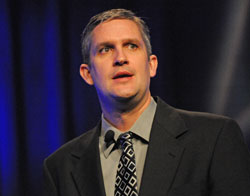
 Today’s National Biodiesel Conference general session featured National Biodiesel Board Chairman Ed Hegland. He’s completing his final term as Chairman.
He started his comments by reminding everyone that today is the anniversary of daylight savings time which was created to conserve on our energy supply during World War I. It was an innovative idea then and when it comes to the innovative work the industry is doing today he says, “We’re here to fuel change.”
Ed pointed out that there are members of all segments of the petroleum industry here today and they participated in a panel discussion after his comments. I’ll post that shortly. He presented some of the findings from a research study done by NBB on consumers and their awareness and perceptions of biodiesel. He says the study finds that consumers who are aware of biodiesel have a favorable opinion of it. He also talks about being a soybean farmer and the incredible technology that is allowing him to grow more with less.
You can listen to Ed’s speech below.


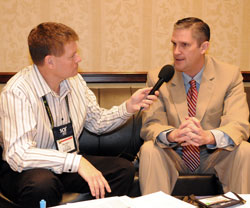 The Chairman of the National Biodiesel Board is Ed Hegland, seen here as a guest on today’s AgriTalk show.

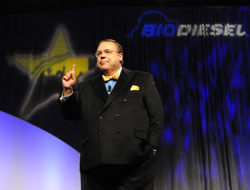 Economist Don Reynolds was the keynote speaker at the opening general session here at the National Biodiesel Conference. He appeared on stage two years ago and predicted the problems in our economy. Today he started out on a very optimistic note in part due to his belief that we’ll continue to see a growing recovery of the economy. His comments were meant to help participants define what is the “new normal” in today’s business environment.
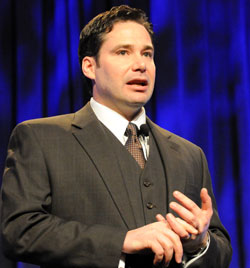 The CEO of the National Biodiesel Board, Joe Jobe, was on stage to welcome a standing room only crowd at the opening general session to the Conference. He opened up with a political theme to his remarks.