The long Thanksgiving Day holiday weekend is underscoring the need for more electric vehicles on the nation’s roads.
This article from Public News Service uses the example of North Carolina, where more than half a million families are traveling this weekend, spending about $12.4 million on gasoline. And that number will be even higher nationwide:
Electric cars have long been talked about, but are now poised to enter the mainstream with Nissan putting out their first all-electric car this fall — the Leaf. The ad campaign has environmental groups like Environment North Carolina excited over the potential impact on consumer opinion of alternative fuel sources for cars. Locky Stewart, field analyst for ENC explains why electric cars have such potential.
“I think it’s fantastic that that’s happening because in order for electric cars to have an impact, we need to really get them into consumers’ garages.”
A separate analysis by the Natural Resources Defense Council and the Union of Concerned Scientists found the 60 miles per gallon fuel efficiency standard for cars by 2025 would save North Carolina drivers $3.5 billion at the gas pump in 2030. Steward explains.
“Gas powered engines are really inefficient. Only 13 percent of the energy created by burning gas in an engine goes to moving that car forward, and that creates a lot of global warming pollution.”
The Chervrolet Volt, an extended range plug-in electric car, is also launching this year with several more electric cars planned by auto manufacturers by 2012.
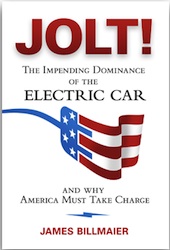
 The biggest issue is getting the infrastructure in place to have the charging stations available so these electric vehicles have their own fuel to run. Check out my Domestic Fuel podcast from August 25, 2010 for more on this topic. Also, see Joanna’s recent review of the book Jolt! for more on how electric vehicles are coming of age.



 Brazilian President Luiz Inacio Lula da Silva inaugurated construction on the project Tuesday by soldering the first pipe joint of the 202-kilometer (126-mile) pipeline. “I managed to sell the idea that humanizing the work in the sugarcane fields was important for selling ethanol to other countries,” the president said.
 I’m just a farmer,