

 Guardian Lima, LLC of Ohio is officially back in full operation, producing 54 million gallons of ethanol a year, as well as 165,000 tons of dried distillers grains and jobs for the local economy.
Guardian Lima employs 33 full time Ohioans in positions from chemists to engineers to accountants and administrative support staff. Prior to the opening, there were 120 jobs involved with retrofitting and construction of the plant. The facility, formally Greater Ohio Ethanol, originally began operations in 2008 but went idle shortly thereafter due to adverse market conditions. Guardian Lima acquired majority stake in the ethanol production facility in November 2010.
“We are proud to bring this facility back into operation, creating jobs and providing a boost to the Lima economy,” said Don Gales, CEO of Guardian Lima, LLC. “Domestic ethanol production is a key component of the nation’s energy strategy and one that begins in hundreds of small towns and cities just like Lima.”
Renewable Fuels Association president and CEO Bob Dinneen congratulated the company for bringing the plant back into operation. “America’s ethanol industry continues to demonstrate an unparalleled ability to create jobs, particularly in small cities and rural communities all across the country,” said Dinneen.

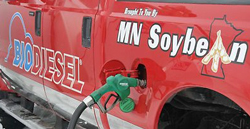 Minnesota is a leader in the biodiesel industry, being the first state to require that all diesel fuel contain a two percent blend in 2005, and has since increased to a five percent blend. “Increasing the amount of biodiesel in our fuel allows us to take advantage of a renewable fuel made right here in Minnesota,” said Ed Hegland, former
 Chemicals are an everyday part of operating a biorefinery facility as we learned in


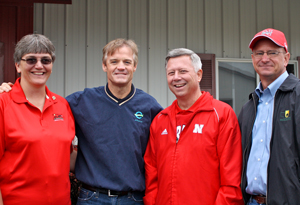 Nebraska Governor Dave Heineman joined state soybean board chair Lisa Lunz, NASCAR Nationwide driver Kenny Wallace and Alan Tiemann, chairman of the Nebraska Corn Board, in making the declaration. “Nebraska’s renewable fuels sector contributes to local communities by providing good paying jobs for thousands of Nebraskans,” said Gov. Heineman. “Renewable fuels are a critical component of becoming energy independent and by providing an alternative to imported oil. We are fortunate to have a strong biofuels industry with thousands of Nebraskans working to fuel America.”
 Representatives of the U.S. livestock and poultry industries testified before a
  The hearing by the House Agriculture Subcommittee on Livestock, Dairy, and Poultry on Wednesday included no representatives from the corn or ethanol industries and raised the food versus fuel flag again, but Hartwig encourages lawmakers to look beyond the price of corn as the cause of higher food prices. “A pound of pork chops retails for around $3.50 and in that pound, there is roughly 30 cents worth of corn at today’s prices,” Hartwig says. “So there are other factors after that pig leaves the farm that influence the prices consumers pay at the retail level” like higher energy prices, labor and manufacturing.