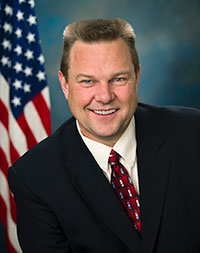
Montana’s Senator Jon Tester is in support of domestic fuel and Ethanol Producers and Consumers (EPAC). The U.S. Senator is a third generation Montana farmer who understands the value of agriculture to Montana’s economy and way of life. His Field Director Tracy Stone-Manning presented a letter at the recent EPAC conference in Kalispell, Montana:
Thank you all for your hard work in one of the more important efforts of our time — securing America’s energy independence.
 It’s not just an energy issue. It’s a national security issue. And EPAC plays an important role.
I had the honor of sitting down with Shirley [Shirley Ball is the executive director of EPAC] in the Senate just last week. We discussed all the new opportunities for biofuels in Montana — and the economic growth and good-paying jobs it will bring. Opportunities for biodiesel, cellulosic ethanol, and ethanol from barley, among others.
We still have a ways to go. We still have to dial in, for expample, the right enzymes to break down cellulose. But I am confident we’ll get there. Montana is an agricultural powerhouse and we can and should lead the way in our energy future.
As a member of the Senate Energy Committee, I look forward to hearing what comes out of this conference.
Again, thanks for your hard work. And stay in touch.
Respectfully,
Jon Tester
United States Senator

 Johnson
  McCain heralded his
  Construction on the Hankinson facility began in August of 2006 and was completed in June. The opening of the plant was delayed due to market volatility.
  US biofuels development company
  The cellulosic plant in Thailand is co-located with a facility that will produce ethanol from sugar-cane derived sucrose, which is widely abundant in the region. Sugar cane bagasse, the biomass residue from the sugar cane plant, will be the primary source of feedstock for the cellulosic facility, which will be converted into ethanol using Verenium’s process technology.
 The tax code currently states that Publicly Traded Partnerships are supposed to earn 90-percent of income from the exploration, transportation, storage or marketing of depletable natural resources like oil, gas and coal. The Harkin-Lugar bill would change the tax code so that these Publicly Traded Partnerships can earn qualified income from the transport, storage or marketing of any renewable liquid fuel approved by the Environmental Protection Agency.
 Cincinnati has received a federal grant to help the city’s mass transit system buy some biodiesel buses.
 A beef producer that cranks out 22 million pounds of tallow a week will be turning that waste into another alternative to non-renewable petroleum.
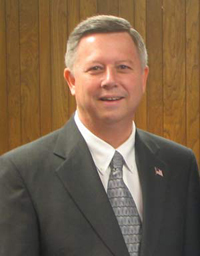 Gov. Dave Heineman, who headlined Friday’s groundbreaking ceremony, said he expects Natural Innovative Renewable Energy to help elevate the Cornhusker state’s biodiesel industry to the same level as its corn-based ethanol production, which now ranks No. 2 in the nation.