

 It appears that someone might have jumped the gun a bit when General Motors released the first pictures of the production version of its much-anticipated electric car, the Chevrolet Volt, earlier today.
According to this article in the Detroit News, the pictures of the Volt (seen on the right here, thanks to a quick blogger at TheCarConnection.com who was smart enough and in the right place at the right time to save the pictures before they could be taken off GM’s web site) were supposed to go out next week:
Ten photos were briefly posted on GM’s media Web site, and an external site, and promptly picked up by auto bloggers around the world.
“Those were put up in error and taken down quickly thereafter,” Chevrolet spokesman Terry Rhadigan said. “It was not intentional.”
The release comes a week ahead of the automaker’s 100th anniversary celebration, during which the Volt is expected to be unveiled officially.
But how much the posting was an accident remains to be seen:
The blogger who found the photos Monday before they were taken down suspects the release was a publicity move by the automaker.
“I think they’re getting very good at playing the game of public relations,” said Marty Padgett, editor of thecarconnection.com. “Everyone is interested (in the Volt), so why not let some teases float out there?”
It looks like TheCarConnection.com is getting a lot of feedback on the new pictures… some good, some bad. You can see more of the photos and read the comments by clicking here.

 For nearly 140 years, the
  With the dedication of the new locomotive, the Railway signaled that it will supplement the coal-fired trains with several biodiesel engines, cutting emissions and the use of fossil fuels.
 Rocketboat… the “Blast on the Bay” as it is dubbed by its owners… promises to give riders an exciting 30-minute around San Francisco Bay, and they’ll enjoy that trip on clean-burning biodiesel.
 The open-air RocketBoat will carry 135 passengers on a windswept ride, departing eight times daily. To give riders a chance to catch their breath and take photos, the craft will make three sightseeing stops along the route, including AT&T Park, Treasure Island and Alcatraz. While rocketing around the Bay, passengers will be treated to an appropriately rock ‘n’ roll soundtrack, combined with live narration from an experienced Blue & Gold Fleet captain.
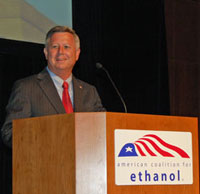 To celebrate ethanol and all renewable fuels, Nebraska Governor Dave Heineman will declare September Renewable Fuels Month at Husker Harvest Days on Wednesday, September 10.
  The
The  The alliance was formed in July and includes Archer Daniels Midland, DuPont, John Deere, Monsanto, and the Renewable Fuels Association. ADM Vice President for Government Relations Greg Webb says because government formulates food and energy policy, it is important that they be well informed. “We think that the alliance will help educate and draw attention to agriculture’s capability to produce and meet increasing demands,” Webb said. “A lot of folks are seeing the increased demand for food, feed, fiber and fuel and they kind of freeze the production capability in time and think that we’ll never produce another pound more than what we do now.”
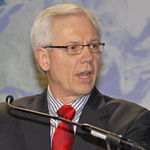 USDA Under Secretary for Rural Development Thomas Dorr, who held a public meeting last week to work on implementing renewable energy programs authorized under the farm bill, says the rapid commercialization of renewable energy is a high priority.
