

More than 25 North American experts will discuss opportunities, trends and challenges related to community wind energy projects during an online web conference May 26 and 27 offered by Green Energy Web Conferences.
 Presenters at the web conference include experts from organizations ranging from the American Wind Energy Association, Windustry and the World Wind Energy Association to the U.S. Departments of Agriculture and Energy to Atlantic County Utilities Authority and Citibank. Organizers say the web conference is designed for people who are interested in learning more about community wind projects as well as for professionals already in the business wanting to keep up with this fast-changing alternative energy technology.
“When you include the savings from travel, hotel, and restaurant costs, a web conference costs only 10 percent of attendance at a traditional conference,” says Mathijs Gajentaan, CEO of Green Energy Web Conferences. “We’ve set it up interactively, so you can ask the speaker questions, browse the attendees’ profiles to see what they are doing and looking for, and connect with them. And if you can’t attend any of the live sessions, you can review the presentations at your convenience.”
Other upcoming Green Energy conferences will focus on Solar, Bio and Hydro power. The agenda and registration information for the wind energy conference is available on-line here.

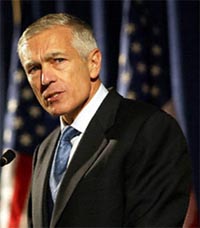 Growth Energy Co-Chairman Gen. Wesley Clark will present the keynote address at the 25th annual International Fuel Ethanol Workshop (FEW) & Expo. Clark is expected to follow Colorado Gov. Bill Ritter, who has been invited to give the FEW welcome address.
  After opening remarks and a welcome, the conference will be in full swing. A few of the sessions will include the following: The Future of Ethanol Production in America — Part 1: The Next Three Years; The Future of Ethanol Production in America — Part 2: 2012 and Beyond; and Cellulosic Ethanol Project Development.
 More than 100 surplus vehicles will be sold at public auction on May 16 in Arden Hills, Minnesota including 40 flexible fuel vehicles. The vehicles are primarily from the 2001 through 2006 model years, with varying mileage.
  Minnesota has 360 of the 1,994 E85 fueling stations across the nation. Minnesota has more E85 outlets than any other state.
 Ethanol seems to have hit a bit of wall. While it has been great for mixing with regular unleaded gasoline at a 10 percent blend, the industry wants to up that amount to 15 percent, overcoming what is being called a “blending wall” that is keeping the green fuel from growing beyond its current levels.
  The federal government is considering changing the rules to allow the higher blend. The Environmental Protection Agency has proposed raising the amount to 15 percent and is looking for comments about that idea. The comment period is currently until May 21st, but several ethanol groups are asking to extend that for 60 days. The American Coalition for Ethanol has a petition
 The golden dream may have become reality today as
  The
The  “Thanks to the fortitude of companies like Louis Dreyfus Commodities, Iowa’s ethanol industry continues to move forward,” said IRFA Executive Director Monte Shaw. “I can’t predict the future, but there is a sense that a corner has been turned away from the difficult ending of 2008. This new biorefinery creates green collar jobs and provides an attractive market for local farmers. That is what the ethanol industry has been about since day one and that won’t change.”
 Lay down the red carpet. Former