

A Maryland-based biotech/biofuel company is working on the development of a portable biofuel production system called “Follow the Crop.”
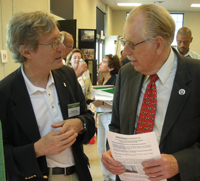 Atlantic Biomass Conversions president Bob Kozak recently explained the concept to Congressman Roscoe Bartlett (R-MD 6th) at his Go Green Energy Expo in Frederick, Maryland. According to Kozak, instead of bringing biomass to biorefineries, the bioconversion technology will go to the crops.
Following the model of combines that follow the harvest season, “Follow-the-Crop” modules will be deployed nationwide as energy grasses and crops are harvested.
These modules will convert biomass into high density biofuel intermediates, such as highly concentrated sugars, using the Atlanitc Biomass fast, low-cost enzyme system.
By creating a viable market for environmentally suitable “energy” grasses and agricultural residues grown in stands as small as 10 acres, the deployment of this system would improve the income of small and medium growers. This positive impact would greatly help rural economies throughout the country.
Read more about it here on the Atlantic Biomass Conversions website.
 The campaign is a partnership between leading corn-producing states, the
  A deal that would have provided biodiesel to a Hawaiian Electric Co. plant has been dealt a tough blow that in all intents and purposes kills the project.
 When the contract was later amended to have Imperium import biodiesel from a West Coast refinery, HECO also sought a terminaling and trucking agreement with Aloha Petroleum to transport the imported biodiesel to its generating plant. That additional contract would have incurred additional costs that HECO would have passed on to its customers.
 A bill that would extend the biodiesel tax incentive by five years, as well as changing the way the program is administered, has been introduced.
 “Domestic production and use of biodiesel is consistent with an energy policy that values the displacement of petroleum with low-carbon, renewable fuels. This legislation will provide certainty to biodiesel producers and improve the form and function of the biodiesel tax incentive. We strongly support this proposal and commend Senator Cantwell and Senator Grassley for introducing this forward thinking legislation,” said NBB CEO Joe Jobe.



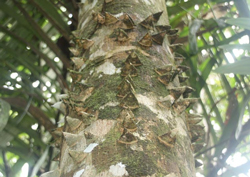 The tree is often called a sweetgum, but it also goes by the name “alligator tree” because it does look like one. So, it’s appropriate that researchers with the University of Florida – home of the Gators – have found that bacteria growing in its wood may improve the process of making cellulosic ethanol.
 Illinois Congresswoman Debbie Halvorson yesterday voiced her support of increasing the blend of ethanol in gasoline to 15 percent. The Congresswoman, along with many other supporters, spoke at a news conference at the Illinois Corn Growers Association home office.