

 The Iowa Renewable Fuels Association (IRFA) will be holding their 4th Annual Renewable Fuels Summit on January 25, 2010 in Des Moines, Iowa. The one day event will cover several topics that will negate the misinformation leading to harmful renwable fuels policies.
Several of the topics covered during the summit include: Biofuels: Charting a New Course for Energy Independence; Life After RFS; Beating the Blend Wall; Driving Iowa’s Energy Future; and Unlimited Future for Biofuels.
“Whether a biofuels investor or just interested in the renewable fuels industry, the Iowa Renewable Fuels Summit will put the hot topics front and center,” said IRFA Managing Director Lucy Norton. “There are decisions being made in Des Moines and DC now that will shape the renewable fuels industry for years to come. This conference is our way of keeping everyone up-to-date on these issues – whether E15, alternative biofuels feedstocks or federal policies that will influence future demand.”
The summit is free and open to the public. It will begain at 8:30 a.m. and conclude at 4 p.m. The summit will be held at the Polk County Convention Complex. To register, click here.


 “It’s a very non-traditional approach to utilizing some public lands that are not being utilized as well as they could be,” says Utah State University researcher Dallas Hanks. It is estimated that there are some 10 million available acres of land in roadsides, airports, military bases, railroad areas and more that currently require significant maintenance cost that could be used for producing biofuel crops such as safflower and canola which could be harvested a couple times a year. The benefits include a new source for biofuel feedstocks, as well as improved aesthetics and reduced roadside maintenance costs.
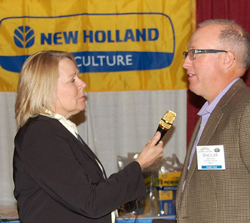 “We’ve been lucky enough to get a national coalition with an executive committee and land grant universities all around the country involved in this,” Hanks said during a recent interview at the


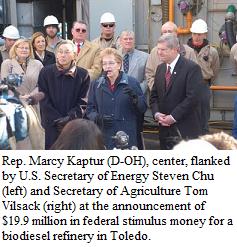 An Ohio biodiesel plant is among those
  This coming Friday, Dec. 11 is the deadline for Iowa schools to get in their application for two, $2,500 grants from the Iowa Renewable Fuels Association’s (IRFA) Biodiesel Backer Award Program.
  Big emitters of carbon dioxide are faced with a big problem. Industries and utilities will soon have to capture that CO2 and store it … somewhere. That’s where
 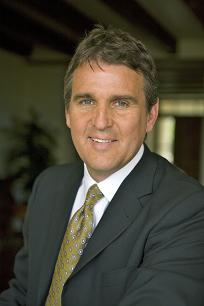 In this edition of the Domestic Fuel Cast, we talk to Carbon Sciences President and CEO Byron Elton, who explains how this process works. Basically, it’s the exact same process that changed carbon dioxide into hydrocarbons all those eons ago far beneath the surface of the Earth. But this is much more efficient and faster and could be the solution for those CO2 emitters looking for something to do with their newly sequestered product and a planet hungry for energy.