Retech 2010, the Renewable Energy Technology Conference and Exhibition, kicks off in Washington, DC tomorrow. The conference is co-produced by the American Council On Renewable Energy (ACORE) and TradeFair Group. Nearly 300 exhibitors from all sectors of renewable energy are expected to participate.
 In addition to the exhibition, there is a Business Conference that will feature more than 250 speakers sharing their insights and knowledge about alternative energy. There are several parallel tracks that will be held during the three days with concentrations on core areas including geothermal, wind, solar, hydro, biomass, biofuels, and waste energy. Additional hot topics encompass the challenges and opportunities in the green electricity and green building sectors along with industry leaders discussing the innovative, comprehensive and entrepreneurial strategies that will be needed to ensure the sustained growth of the renewable energy industry.
Poet CEO Jeff Broin will discuss ethanol’s impacts during the opening plenary session on Wednesday along with Carol Browner, Assistant to the President for Energy and Climate Change as well as other leaders in the energy and the environmental arena. In addition, Doug Berven, Poet’s Director of Corporate Affairs, will also be speaking and is part of the panel discussion “Research and Development: Conventional Biofuels” to be held on Friday.


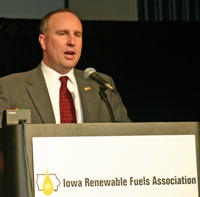 “That is an awesome success story,” said IRFA Executive Director Monte Shaw in his address at the 4th Annual Iowa Renewable Summit. “At the same time, we must not rest on our laurels. Iowa and the nation must move quickly to realize the full promise renewable fuels represent.”
 Leaders from
 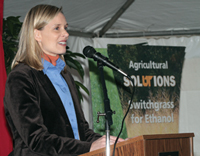 During the grand opening celebration, Kelly Tiller, CEO of Genera Energy and director of external operations for the UT Office of Bioenergy Programs, said, “The University of Tennessee Biofuels Initiative is the only fully integrated program that is working with farmers and agricultural industry to reliably supply the necessary feedstock so biorefineries can produce plentiful, affordable, renewable and sustainable fuels.” She said plans are for Tennessee farmers to place an additional 4,000 acres of switchgrass into production this spring, bringing the total production in the state to nearly 7,000 acres of the dedicated energy crop.