 The upcoming Export Exchange 2010 is shaping up to be a must-attend event for anyone involved in the production of ethanol who also produces the co-product dried distillers grains with solubles (DDGS), which is becoming a major export commodity from the United States.
The Export Exchange, sponsored by the Renewable Fuels Association (RFA) and the U.S. Grains Council (USGC), features an array of international leaders in ag commerce, including Dr. Bob Thompson with the National Center for Food and Agricultural Policy and Gary Blumenthal, president and CEO of World Perspectives Inc.
Dr. Thompson is scheduled to deliver the keynote address on the first day of the conference to provide perspective and insight on the world supply and demand situation will give attendees a better understanding of the world market. Blumenthal’s remarks during the second day luncheon will focus specifically on the growing global demand for U.S. DDGS. “As long as global population continues to grow, the demand for meat, milk and eggs will increase, and subsequently the demand for livestock and thus for DDGS will climb as well,” Blumenthal says.
Other speakers at the event will include Jim Allwood of Informa Economics, Paul Bingham with IHS Global, RFA president Bob Dinneen and Dr. Erick Erickson with USGC.
More than 170 international buyers of U.S. DDGS and coarse grains are scheduled to attend the event, including representatives from China, Japan, Taiwan, Korea and Vietnam – countries which have a major interest in DDGS. The Export Exchange will be held Oct. 6-8, 2010, at the Hyatt Regency McCormick Place Hotel in Chicago. Registration is available on-line with a $100 discount for registrations received before September 4.


 The
The 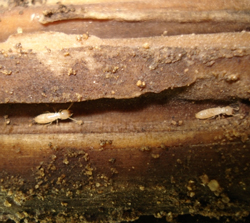 “Once we figure out the best way to integrate this sort of enzyme into the process, it could drop the cost of producing cellulosic ethanol significantly,” said UF entomologist Mike Scharf, who led the research.
 The study, by Purdue agricultural economist Wally Tyner, concludes that a variable rate would insulate producers from risk because as oil and ethanol prices drop, the subsidy for producers would increase. The government would save money because the rate would go down when oil prices are high.