

 I’ve spent the last few weeks speaking with people in the biorefining industry in an effort to learn more about safety issues and best practices. The result is a series on Biorefinery Plant Safety and part one focuses on chemical safety. Chemicals are a necessary component of producing ethanol or biodiesel. On the ethanol side, some plants use chlorine dioxide or sulfuric acid in various aspects of the process – both in fermentation (to kill infections) and as a cleaning agent. On the biodiesel side, methanol is a commonly used.
 Many things can happen when working with chemicals – slips, burns, fires, and explosions- and the biofuels industry has not been immune from any of these issues. While no one would tell me exactly what has caused some recent fires or explosions, I believe understanding cause and effect of mishandling chemicals/or properly handling chemicals, should reduce chemical accidents.
To learn more, I spoke with Scott Berger, with the Center for Chemical Process Safety, formed by the American Institute of Chemical Engineers. Their goal is to improve guidelines and improve practices to prevent major chemical accidents such as fires, explosions and toxic gas release. Formed in 1985, they have published more than 100 guidelines with the work being done by their 140 plus members in the chemical, refining, biorefining, and other similar manufacturing businesses.
Berger noted that it doesn’t matter which chemical you decide to use in your facility, every material has a hazard. “If you don’t respect that hazard, don’t identify that hazard, don’t manage the hazard properly, then you can have a problem.”
What is the right way to communicate chemical safety? Berger said the first thing is that management has to recognize that they’re dealing with hazardous materials and then they have to commit that they are going to manage those hazards. He said because without that recognition and that commitment, nothing will happen. From there they need to implement a management system for managing the hazardous materials and the hazardous process.
Listen to my interview with Scott Berger here: Ethanol Safety Series Part I: How to Properly Handle Chemicals in a BiorefineryRead More





 With the
 The
The 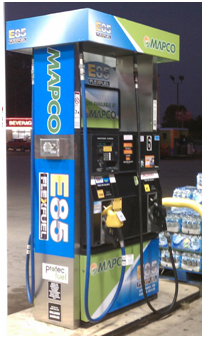 Flex-fuel vehicle owners in Madison, Alabama now have more choices in filling up with E85, thanks to