

Team Ethanol is off to its best start of the Indy Car Series yet, finishing 7th in Saturday’s opening race in Homestead.
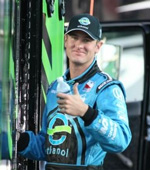 Driver Ryan Hunter-Reay ran a great race and stayed in the top ten with all the big name drivers for the majority of the race. The 2007 Rookie of the Year was hoping for a better finish for the start of his first full season with the Indy Car Series, but he got passed up by two drivers in the final restart of the race after Tony Kanaan got knocked out of first place. Before the restart, the #17 Ethanol car was holding on to fifth place. The Homestead 300 trophy ultimately went to Scott Dixon.
This is the second year the Indy Car Series is running on 100 percent fuel grade ethanol and Hunter-Reay is a big believer in the alternative fuel. “Basically, it’s an American product that’s creating American jobs,” he says. “Every drop of ethanol you put in your car is one less oil tanker out there.”
Check out this post from The Fueling Station on Saturday’s race.
 Officials with the Food and Agricultural Policy Research Institute say biofuels will drive agriculture for at least the next 10 years.
 The 79-year-old multi-billionaire was on CNBC earlier this week talking about energy, oil prices and ethanol. According to
  Classic Chevrolet/HUMMER spent more than $500,000 to install nine pumps dedicated to E85, E10 and biodiesel at its new Classic Clean Fuels station.
 “Classic Chevy has taken a true leadership role by making E85 and other biofuels available to the citizens of Grapevine and allowing all customers who purchase a flex fuel vehicle to drive off with a full tank of E85,” said Karl Doenges, president of CleanFUEL Distribution. “Classic Chevy has gone a step further and configured their station so all municipal, county, state and federal fleets around the Grapevine-DFW Airport area can seamlessly use this site with their existing fleet management program. Everyone can now do their part for energy independence, the environment and growing our economy.”
  Shipping giant UPS, affectionately known as Brown, is doing its best to be known for its GREEN practices.
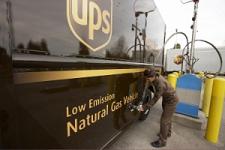 Of the 167 new CNG trucks, 25 have been deployed in Dallas; 42 in Atlanta, and the remaining 100 in five California cities: 30 to Sacramento, 14 to Los Angeles, five to Ontario, 10 to San Ramon and 41 to Fresno. They join more than 800 CNG vehicles already in use by UPS in the United States. Previous CNG vehicles in UPS’s fleet were converted from gasoline and diesel vehicles in the 1980s to run on alternative fuels. The new vehicles are originally manufactured for alternative fuel use.
 A requirement that all diesel sold in Missouri contain at least 5 percent biodiesel has passed the State Senate.
 According to the companies, “the sugars can be sourced from non-food sources like corn stover, switch grass, wheat straw and sugarcane pulp, in addition to conventional biofuel feedstock like wheat, corn and sugarcane.”
 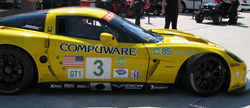 The
The 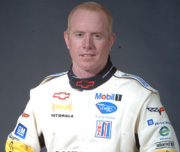 The Corvette Racing C6.R driven by Johnny O’Connell, Jan Magnussen and Ron Fellows captured ninth overall and first in the 12 hours of Sebring in Florida, the season opener for the American Le Mans Series.
 The first-ever biodiesel fuel card has been unveiled. National Biodiesel Foundation (NBF) today introduced the BioTrucker Fuel Card, which highlights the availability of biodiesel with a network of truck stops that carry biodiesel.