

 DTE Energy and the University of Michigan are sponsoring an annual entrepreneurship competition. The DTE Clean Energy Prize is meant to encourage teams form Michigan colleges and universities to develop the best way for offering new clean-energy technologies commercially.
“Our goal is to drive promising clean energy ideas and technologies from the research lab to commercialization,” Earley said. “To do that, we are making a 5-year, $450,000 commitment to fund the DTE Clean Energy Prize, a new competition open to the best and brightest students and faculty at Michigan’s colleges and universities.”
The prize pool for the 2009 competition will be $100,000, which will be divided among the winning teams. For subsequent years, it is expected that the prize pool will be $200,000.
The prize competition will be hosted by the University of Michigan, but will be open to students and faculty from all Michigan colleges and universities. For the first year, each team must have at least one University of Michigan student or faculty member.
Competing teams will be required to develop business ideas that support renewable energy, energy efficiency and demand response, greenhouse gas and environmental control technologies and energy storage. The first competition will be held this fall. Prizes will be awarded next spring.
 A new website has been launched to focus on the positive impacts of biofuels on the economy, the environment and America in general.
 Jim Cramer, that wild man who vociferously picks or pans stocks on
  Members of the Canadian House of Commons have passed a nationwide biofuels standard that is expected to create demand for an estimated 500 million gallons of ethanol and 150 million gallons of biodiesel. The standard is noteworthy considering that Canada has oil reserves only second to Saudi Arabia and is the largest supplier of U.S. foreign energy sources (including oil, natural gas, uranium and electricity).
 A $65 million combination biodiesel-soybean crushing plant is being planned for the area of Michigan known as “the Thumb.”
 If the first phase of Moran’s biodiesel plant gets up and running, it could supply meal to the many large livestock farms in the Thumb, and sell the oil for use in food, depending on the market for biodiesel, [Keith Reinholt, field operations director for the Michigan Soybean Promotion Committee] said.
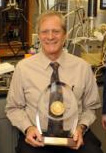 Van Leeuwen and his team recently won the 2008 Grand Prize for University Research from the American Academy of Environmental Engineers for their work on the project.
 “Instead of using ethanol as a scapegoat for increased food prices, we should be having a discussion about the business, economic and policy issues that are connected with the world of $130 plus per barrel oil,” said
  Stallman was joined by Tom Buis of the
  The plant began operation in October 2007 and VeraSun announced it would acquire the facility from ASAlliances in July 2007. The plant is one of 11 VeraSun ethanol production facilities currently in operation.
 Organizers say the theme reflects the continued growing importance of corn as a keystone to a carbohydrate-based economy. The conference has been expanded to include new topics in wet milling, dry grind technologies, value-added products from corn and new uses for distillers dry grains (DDGs) that will be of value to ethanol producers and livestock interests.
 Among the speakers will be