

 A deal that would have provided biodiesel to a Hawaiian Electric Co. plant has been dealt a tough blow that in all intents and purposes kills the project.
The Honolulu Star-Bulletin reports that the state Public Utilities Commission has denied HECO’s request to change where it would have gotten the green fuel for its plant:
According to the contract terms, [Seattle-based] Imperium [Renewables] was to build a local refinery with a pipeline to supply biodiesel for HECO’s newly completed, $142.3 million, 110-megawatt plant at Campbell Industrial Park.
 When the contract was later amended to have Imperium import biodiesel from a West Coast refinery, HECO also sought a terminaling and trucking agreement with Aloha Petroleum to transport the imported biodiesel to its generating plant. That additional contract would have incurred additional costs that HECO would have passed on to its customers.
The PUC also determined that the contract with Aloha Petroleum without a corresponding biodiesel supply contract was unnecessary.
“While we’re disappointed in the ruling from the PUC, we understand their concerns about cost to ratepayers,” said Imperium CEO John Plaza. “We put together the best proposal we could based on HECO’s contractual requirements to source sustainable palm oil.”
The original deal was seen as a savior for the ailing Imperium Renewables, which has struggled in recent years when feedstock prices skyrocketed.
 A bill that would extend the biodiesel tax incentive by five years, as well as changing the way the program is administered, has been introduced.
 “Domestic production and use of biodiesel is consistent with an energy policy that values the displacement of petroleum with low-carbon, renewable fuels. This legislation will provide certainty to biodiesel producers and improve the form and function of the biodiesel tax incentive. We strongly support this proposal and commend Senator Cantwell and Senator Grassley for introducing this forward thinking legislation,” said NBB CEO Joe Jobe.



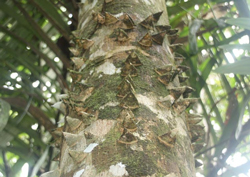 The tree is often called a sweetgum, but it also goes by the name “alligator tree” because it does look like one. So, it’s appropriate that researchers with the University of Florida – home of the Gators – have found that bacteria growing in its wood may improve the process of making cellulosic ethanol.
 Illinois Congresswoman Debbie Halvorson yesterday voiced her support of increasing the blend of ethanol in gasoline to 15 percent. The Congresswoman, along with many other supporters, spoke at a news conference at the Illinois Corn Growers Association home office.
  The
The 