

 A joint American-Malaysian effort has completed an important oil palm genome sequencing project that could unlock even more potential from this oil-rich feedstock for biodiesel.
Biodiesel Magazine reports that the Malaysian Palm Oil Board and St. Louis-based Orion Genomics have led a consortium that has sequenced three oil palm genomes from two oil palm species:
Oil palm plantations on average produce 3.9 tons of oil per hectare per year, nearly 10 times more than other productive oil bearing crops. Therefore, it has the potential to meet growing demand for food and renewable fuel. Used in cooking oil, margarine, baked goods and other foods, palm oil is the most consumed edible oil in the world as well as a common ingredient in soaps and cosmetics and an important biodiesel feedstock globally.
The oil palm family has two species, the E. guineensis which originates from Africa and the E. oleifera, which is native to South America. Because of its high productivity, the E. guineensis is the commercial variety planted in Malaysia. However, the E. oleifera has many interesting traits such as a low height increment that would increase the life-span of harvestable plantings, increased resistance to disease and production of higher quantities of unsaturated fats – traits that will add value if incorporated into commercial E. guineensis lines.
Researchers believe this knowledge of the genomic sequence will help them produce bigger yields to meet food and fuel needs.
 The largest wind energy project in Utah has started operations, generating enough power to keep the lights on in 45,000 homes per year.
 Eventually, the $400 million project will include 159 turbines across 40 square miles of public and private land.
 Don’t forget, there’s a big sale on biodiesel equipment just around the corner.
 Allison Guyton, director of operation for Maas Companies says this is a perfect opportunity for anyone wanting to pick up some brand new, still shrink-wrapped, palleted equipment that is ready for a plant expansion.
 Guyton says sales like these seem to go in cycles with this being a phenomenal chance for someone to expand their operations while not expanding their expenses.
 Ceres has been awarded
 A new venture could provide up to $376 million for projects that will turn sweet sorghum into ethanol.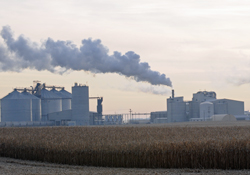
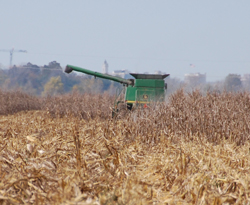 The harvest continues to be slow throughout the Corn Belt.
 A version of the same Volkswagen that raced on biodiesel the past couple of years will soon be available for the general public.
 Researchers in the land of sunflowers are looking for a way to convert sunshine into algae… and then into biodiesel.