

 The IZOD IndyCar Series makes its debut this weekend in South America with the Sao Paulo Indy 300 powered by Brazilian ethanol.
The Brazilian Sugarcane Industry Association (UNICA) has renewed its fuel supply agreement with the Indy Racing League for the 2010 IZOD IndyCar Series season, which opens on Sunday, March 14, with a race in Brazil’s largest city, São Paulo. Under the new agreement, the IZOD IndyCar Series will continue to utilize sugarcane ethanol to fuel its race cars, including at its signature event, the Indianapolis 500.
The agreement calls for UNICA to cover the cost of approximately 200,000 liters (53,000 gallons) of the 100 percent fuel-grade ethanol to be used by in 2010 by the IZOD IndyCar Series as well as the renewable diesel for the fleet of trucks that delivers cars, related gear and fuel for all races. The deal also calls for UNICA’s Sugarcane Ethanol brand to be featured at all Indy events.
Sugarcane ethanol will fuel 16 of the 17 IZOD IndyCar Series races in the 2010 season, including the Indianapolis 500. The only Indy race not covered by the series’ commitment to use primarily sugarcane ethanol is the Iowa Corn Indy 250, which will utilize locally-produced ethanol made from corn under a separate sponsorship arrangement.
At the inaugural Sao Paulo Indy 300, to be run on a street circuit in São Paulo, Brazil, the ethanol will be supplied by one of UNICA’s member companies, Copersucar S.A., Brazil’s largest sugar, ethanol and bioenergy conglomerate, with 36 associated sugar and ethanol mills.
 The
The  Finally, those biomass producers eligible under the Bioenergy Program for Advanced Biofuels may also apply to receive payment from remaining FY 2009 funds. Applications must be received by May 30, 2010. Under this program, payments are made to eligible producers in rural areas to support and ensure an expanding production of advanced biofuels. Payments are based on the amount of biofuels a recipient produces from renewable biomass, other than corn kernel starch. Eligible examples include biofuels derived from cellulose, crop residue, animal, food and yard waste material, biogas (landfill and sewage waste treatment gas), vegetable oil and animal fat.


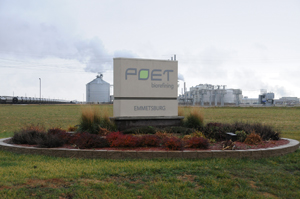 The world’s largest ethanol producer plans to decrease water use in the production of ethanol by 22 percent over the next five years, which would result in a savings of one billion gallons of water per year.
  Water reduction is the first goal of