

 Senators John Thune (R-SD) and Amy Klobuchar were recognized for their support of the ethanol industry today with the “Fueling Growth” award from Growth Energy during the ethanol organization’s second annual Legislative Conference in Washington D.C.
According to Growth Energy, the awards are meant to recognize the leadership of policy makers “in fostering our country’s energy independence, through the production and use of ethanol as a fuel to displace foreign oil.” Senator Thune is pictured here receiving the award from Growth Energy co-chairman Jeff Broin of POET. In the photo below, Sen. Klobuchar poses with members of Growth Energy attending the legislative conference.
 “We are grateful for the leadership and wisdom of these leaders,” said Growth Energy CEO Tom Buis. “This award serves as a reminder of our gratitude, and our continuing efforts to make this country’s national security and economic security stronger through a robust and viable alternative, renewable fuels industry. With their votes and actions in Congress, and their leadership within the administration, these individuals demonstrated loyalty and devotion to the cause of American energy independence.”
The two senators jointly sponsored a bi-partisan effort earlier this year that would have generated $2.5 billion in deficit reduction by reforming the ethanol tax credit and investing in renewable fuels infrastructure. Growth Energy also honored Agriculture Secretary Tom Vilsack with a Fueling Growth award.
 In a letter to the co-chairs of the Joint Select Committee on Deficit Reduction, the so-called “super committee” assigned to find ways to cut the deficit, the
  Molecular biologist Zonglin Lewis Liu with ARS’ National Center for Agricultural Utilization Research in Peoria found a biorefinery yeast that successfully ferments plant sugars from cornstalks, wheat straw, and other rough, fibrous, harvest-time leftovers into cellulosic ethanol. According to Liu, the yeast overcomes some of the troublesome compounds in these materials that are created during dilute acid pre-treatment of the crop leftover. The compounds tend to damage yeast cell walls and membranes, disrupt yeast genetic material such as DNA and RNA, and interfere with yeast enzymes’ fermentation abilities, ultimately reducing potential cellulosic ethanol yields.
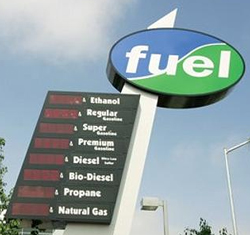 Ethanol, biodiesel, propane, natural gas, electricity – even regular gasoline – consumers should have choices at the pump and a new campaign is urging lawmakers in Washington to make that happen.
 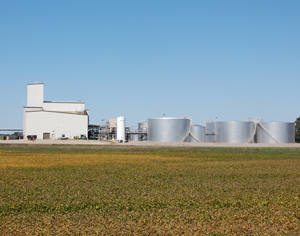 Fields of soybeans surround the newly re-opened
  Hill, pictured here on the left with REG president Dan Oh, says the economic benefits of biodiesel production in a rural community have a multiplier effect. “From the farmer, to the elevator to the tire salesman, to the people buying the biodiesel to blend it, for trucks and everything else, it just helps everybody,” Hill said, adding that it helps all of agriculture, including livestock producers who benefit because it helps reduce the cost of soybean meal.
  Secretary of Agriculture Tom Vilsack addressed members of
 Registration is now open for the
