

 Managers of ethanol plants are encouraged to attend the latest in the Process Optimization Seminar management series, coming up February 8-10 in St. Paul, Minnesota. The event is organized by Fermentis, Fremont Industries, Novozymes and Phibro Ethanol Performance Group.
“This is our seventh event,” said Phibro’s Tom Slunecka. “All prior events have been sold out and we believe that’s based on several factors. We keep the class sizes small, we keep the locations affordable, we keep the agendas tight, and we also throw in some entertainment.”
The focus at this upcoming event will be on exports of both ethanol and distillers grains. “All plant managers today know that without the export market that our profitability would be much lower than it is,” Slunecka said. “So this seminar’s going to give pointers and tips on how to maximize that opportunity.” The seminar’s general session will cover many of the most important issues; regulations, quality control, contracting and mediation.
The entertainment portion of this event will be the National Hockey League game between the Minnesota Wild and Vancouver Canucks.
Listen to an interview with Tom Slunecka about the upcoming seminar: Process Optimization Seminar Interview
Registration is $275 and is available on-line at www.processoptimizationseminar.com.



 The expiration of the VEETC resulted in an immediate a 38-cent increase on every gallon of clean E85, which the coalition notes reduces the incentive for Americans to buy domestically produced fuels, and endangers the investments of millions of Flex Fuel auto owners, E85 retailers, producers, equipment manufacturers, and other supporters.
  As expected, the
  Two companies have teamed up to develop advanced feedstocks for biofuels, biopower and biobased products.
  Under the agreement, DuPont has made an equity investment in NexSteppe, and through its
 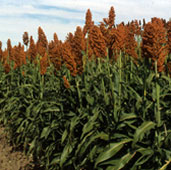 “Sorghum is a crop with significant genetic diversity and great potential that has received relatively little research attention and funding,” said Anna Rath, NexSteppe founder and CEO. “Combining DuPont’s world-class research and development capabilities with our industry knowledge, experienced team and singular focus, we will be able to rapidly improve the crop to produce feedstocks tailored to the needs of the biofuels, biopower and biobased products industries.”
 Global chemical giant BASF has invested $30 million in a Pennsylvania-based company that has developed a process to produce cellulosic sugars for renewable chemicals and biofuels.
 Renmatix has developed the patented Plantrose™ platform whereby industrial sugar can be produced from lignocellulosic biomass (wood, cane trash or straw). In the Plantrose technology, biomass is split into cellulose and sugar in supercritical water at high temperature and pressure in a two-step process.
  “This ruling reaffirms our position that the state of California violated the U.S. Constitution when it created a low carbon fuel standard punitive to farmers and ethanol producers outside of the state’s border,” said