

 The American Ethanol No. 3 Chevy made its debut over the weekend at the Las Vegas Nationwide Series Sam’s Town 300 with rookie driver Austin Dillon finishing strong in 7th place.
Representatives of American Ethanol partners, the National Corn Growers Association (NCGA) and Growth Energy, were in town for the March 10 race. Pictured here with RCR team owner (and Dillon’s grandfather) Richard Childress (left) are Growth Energy CEO Tom Buis next to Dillon and Illinois corn farmer Martin Barbre, chairman of NCGA’s NASCAR Advisory Committee on the right.
Barbre said with three races down in the Nationwide season, Dillon is already exceeding their expectations. “He ranks second in driver points in his rookie season and is proving to be a great spokesperson for the performance, economic and environmental benefits of Sunoco Green E15,” said Barbre. “Educating fans about the importance of NASCAR’s switch to a 15 percent blend of ethanol, from an environmental, performance and even patriotic standpoint, will reinforce the importance of the NASCAR Green message while helping the sports broad fan base become better acquainted with the benefits of the fuel produced by family farmers such as myself.”
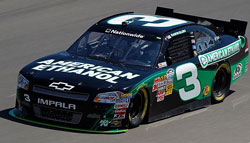 Las Vegas was the first race this season where No. 3 Chevrolet sported the black and green colors of American Ethanol and marked Dillon’s first Nationwide Series start at Las Vegas Motor Speedway. Dillon was so excited about the ethanol theme that his team even tweeted a photo of his “new @AmericanEthanol helmet.”
As the son of former driver and RCR general manager Mike Dillon and grandson of Richard Childress, American Ethanol partners felt the 21-year-old’s performance in the Vegas race highlighted his developing talent and his dedication to clean-burning, domestically produced ethanol.
“We are thrilled to be working with Austin this year to make fans aware of the amazing performance ethanol offers,” said Barbre. “Our partnership with RCR brings together two great American legacies, that of the famed racing family and that of the American family farmer.”
 Among the highlights noted in the report is that the plan has resulted in a doubling of renewable energy generation from wind, solar, and geothermal sources since 2008. According to the report, “Since 2009, DOI has approved 29 onshore renewable energy projects—about 6,600 megawatts—including: 16 solar projects, 5 wind farms, and 8 geothermal facilities. These projects include the first solar projects ever permitted on public lands.”
 “This is an amazing difference from just five years ago,” said Purdue agricultural economist Dr. Chris Hurt. “The hog industry was largely set up with $2-2.50 corn going into 2006. After that we saw major increases in those corn prices.” Dr. Hurt spoke to swine veterinarians on the topic of “Global Feed Economics in a Biofuel World” during seminar in Denver on Friday.

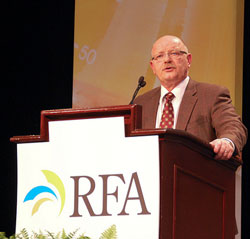 The president of one of the world’s largest ethanol plant engineering and construction firms is pleased with the progress made by the industry in the last 30 years, but frustrated by the barriers to higher ethanol blends.
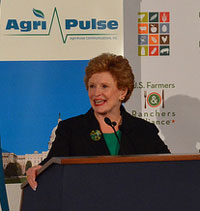 Biofuels organizations are strongly urging lawmakers to approve an



 The