

Senator Debbie Stabenow (D-MI) introduced an amendment to the Transportation Bill (S.1813) Thursday that would extend tax incentives for domestically produced energy sources, including biodiesel, ethanol, cellulosic biofuels, electric vehicles, wind energy and solar.
The measure would re-instate and extend the $1 per gallon biodiesel tax incentive, which expired at the end of last year, and the Advanced Energy Manufacturing Tax Credit, which expired in 2010.
 The amendment also includes extending tax credits for companies that install charging stations for electric vehicles and alternative fuel dispensers, like ethanol blender and E85 pumps. It would extend the $1.01/gallon production tax credit for cellulosic biofuel production through 2014, for grants in lieu of tax credits to eligible solar projects, and the Production Tax Credit for wind energy. “We cannot allow a tax increase on American businesses that are creating clean energy jobs in America,” said Senator Stabenow.
The amendment is one of 30 the Senate is considering before a vote on the final legislation takes place, possibly next week. Several of those were considered Thursday, most were rejected, and the remaining amendments are scheduled to be taken up on Tuesday.
Stabenow, who chairs the Senate Agriculture Committee, spoke to members of the agriculture community gathered in Washington DC Wednesday night for National Ag Day festivities. During a brief interview, she was asked if she thought maintaining the Renewable Fuel Standard was more important to agriculture than a new Farm Bill. “I think they’re both important. The farm bill covers everything from support for production agriculture, risk management, crop insurance, nutrition in schools,” she said. “Obviously energy is important to that as well. We need both.”
Listen to Senator Stabenow comment here: Senator Debbie Stabenow
2012 National Agriculture Day Activities Photo Album Знакомства
 The debate over ethanol, greenhouse gases and land use continues – and that was the topic of a panel discussion at the recent 17th annual
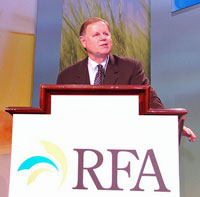 “The new thing is that we now have real world data,” Dr. Tyner said. He presented actual data from the U.S. Department of Agriculture showing that in the last six years the world has added 105 million of crop land – mostly corn, soybeans, rice, rapeseed and wheat. “So, markets work – that’s basically the bottom line,” said Tyner.
 The Nebraska Ethanol Board





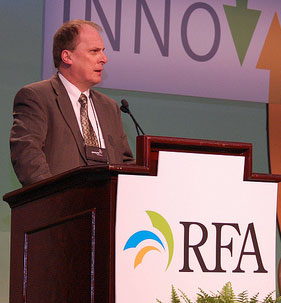 Speaking at the 17th annual
 It was the main topic of the president’s press conference today and Congress will be holding hearings on it this week. From the president to the people at the pump, everyone is talking about higher gasoline prices these days, but ethanol is actually helping to keep them lower than they could be.
 This “Ethanol Report” features an interview with Renewable Fuels Association (RFA) Vice President for Research and Analysis Geoff Cooper on just how ethanol does it. From ethanol’s lower cost at the wholesale level to how it reduces oil demand and prices and provides a cost-effective source of octane, Cooper says “there’s no argument that ethanol is playing a significant role in holding gasoline prices lower than they would be otherwise.”