Solar energy, specifically solar thermal water heating (SWH), is catching on in colder states like Wisconsin, Colorado and Oregon as well as countries like Canada and Germany.
“Many people assume that SWH is not an option for them because they do not live near a scorching desert or by a sun-drenched beach,” said Nigel Cotton, OEM Team Leader of the International Copper Association (ICA) and founder of Solarthermalworld.org, a web community for solar thermal professionals. “However, in a solar thermal system, the energy of the sun is used to heat water in a ‘holding tank.’ This warmed water is circulated to provide hot water throughout the system.While SWH may not be able to provide for all hot water needs in colder climates, it can provide significant savings.”

Colorado home owners are finding cost savings with SWH. According to the Colorado based Center for Resource Conservation, a solar thermal heating system for domestic hot water use can be a long-term cost saving addition for a home. They estimate that when replacing an electric system, SWH can save a household $625 annually. This kind of long-term investment in solar thermal also can pay off for business operations.
A laundromat in Toronto, Canada installed a SWH system that is saving money on energy costs. According to the Canadian Solar Industries Association, the solar thermal system is expected to pay back its investment in less than ten years if energy prices remain stable, but will achieve faster payback as energy prices rise.
“Solar thermal technology is able to capture the energy of the sun and transfer it into heat in many regions around the globe,” says Baerbel Epp, editor of the Solarthermalworld.org newsletter. “It is helpful for families and businesses to explore the different ways of using the free-of-charge energy from the sun no matter where they live.”
 The
The  Las Vegas was the first race this season where No. 3 Chevrolet sported the black and green colors of American Ethanol and marked Dillon’s first Nationwide Series start at Las Vegas Motor Speedway. Dillon was so excited about the ethanol theme that his team even
  Among the highlights noted in the report is that the plan has resulted in a doubling of renewable energy generation from wind, solar, and geothermal sources since 2008. According to the report, “Since 2009, DOI has approved 29 onshore renewable energy projects—about 6,600 megawatts—including: 16 solar projects, 5 wind farms, and 8 geothermal facilities. These projects include the first solar projects ever permitted on public lands.”
 “This is an amazing difference from just five years ago,” said Purdue agricultural economist Dr. Chris Hurt. “The hog industry was largely set up with $2-2.50 corn going into 2006. After that we saw major increases in those corn prices.” Dr. Hurt spoke to swine veterinarians on the topic of “Global Feed Economics in a Biofuel World” during seminar in Denver on Friday.
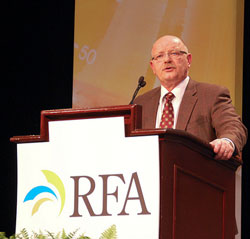 The president of one of the world’s largest ethanol plant engineering and construction firms is pleased with the progress made by the industry in the last 30 years, but frustrated by the barriers to higher ethanol blends.
  Biofuels organizations are strongly urging lawmakers to approve an