

 The “Biodiesel Green Room” exhibit will showcase the benefits of biodiesel at the Twin Cities Auto Show, March 10-18 at the Minneapolis Convention Center. The exhibit includes information on biodiesel, staff to answer questions, and new vehicles like the Audi A3 TDI, which gets an estimated 42 miles per gallon (highway) on B5 biodiesel.
Biodiesel is recognized as a “Clean Air Choice” fuel by the American Lung Association in Minnesota, which is helping to staff the exhibit. “The five percent biodiesel blend now powering diesel vehicles in Minnesota provides roughly the same clean air benefits as removing 55,000 vehicles from the road every year,” said Kelly Marczak, outdoor air program director for the American Lung Association in Minnesota. “The new diesel-powered vehicles are significantly cleaner and quieter than past models, and include advanced pollution control systems.”
Minnesota was the first state in the nation to require biodiesel blends at all diesel retail outlets. The state currently has an annual production capacity of 63 million gallons of biodiesel, made primarily from locally grown soybeans, but can also be produced from a wide variety of renewable sources, including corn, canola and recycled cooking oil. Biodiesel production uses only the oil portion of the soybean, leaving all of the protein available for animal and human consumption.
The exhibit is sponsored by the Minnesota Soybean Research & Promotion Council.
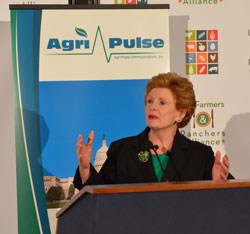
 The debate over ethanol, greenhouse gases and land use continues – and that was the topic of a panel discussion at the recent 17th annual
 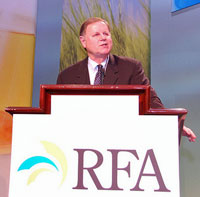 “The new thing is that we now have real world data,” Dr. Tyner said. He presented actual data from the U.S. Department of Agriculture showing that in the last six years the world has added 105 million of crop land – mostly corn, soybeans, rice, rapeseed and wheat. “So, markets work – that’s basically the bottom line,” said Tyner.
  The Nebraska Ethanol Board





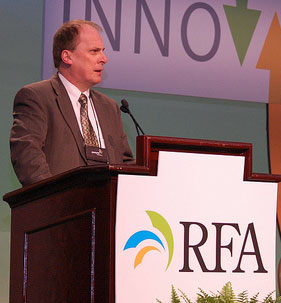 Speaking at the 17th annual
 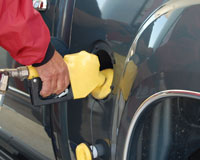 It was the main topic of the president’s press conference today and Congress will be holding hearings on it this week. From the president to the people at the pump, everyone is talking about higher gasoline prices these days, but ethanol is actually helping to keep them lower than they could be.
 This “Ethanol Report” features an interview with Renewable Fuels Association (RFA) Vice President for Research and Analysis Geoff Cooper on just how ethanol does it. From ethanol’s lower cost at the wholesale level to how it reduces oil demand and prices and provides a cost-effective source of octane, Cooper says “there’s no argument that ethanol is playing a significant role in holding gasoline prices lower than they would be otherwise.”