Tight corn supplies, higher corn prices, low ethanol processing margins, export demand and high soybean meal prices are among the factors contributing to higher prices for dried distillers grains plus solubles (DDGS), the ethanol co-product used as livestock feed.
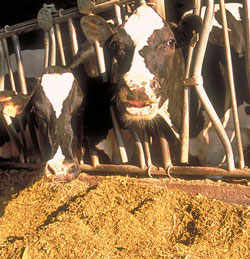 South Dakota State University economics professor Darrell Mark says price for distillers grains usually declines going into summer as cattle feedlot inventories decline and more cow herds and stockers are turned out to pasture. This year, however, distillers grains prices have been increasing going into summer.
“The average price for dried distillers grains plus solubles (DDGS) in South Dakota increased about $3/ton during each week of May although it did moderate some in the first two weeks of June. While domestic demand from the cattle industry is not substantially deviating from normal seasonal trends, several other supply and demand factors have driven the price increases in recent weeks and are likely to continue through the summer months,” said Mark, a market analyst for iGrow.org.
“With high corn prices, ethanol producers have struggled to maintain margins, and are finding incentive to run at reduced capacity and shut down plants for longer periods of time for maintenance, etc.,” Mark said. “Doing so can lessen their losses, but it does reduce the amount of distillers grain produced as well. Thus, with lower supply of distillers grains, prices tend to rise, as have been seen throughout 2012.”
Mark encourages producers to discuss this issue with their current distillers grain suppliers and understand their plant production schedule. He also suggests they purchase product from two or more plants to help offset risk associated with losing distillers grain from one particular plant.
Higher soybean meal prices and export demand for DDGs is also helping to boost prices but Mark expects the impact of the high old crop corn prices and soybean meal prices to lessen by early fall as U.S. corn and soybean supplies become available.
“With the prospects for a record large corn crop and lower prices, ethanol production is likely to increase as margins improve, thus increasing distillers grain production,” he said.
 “Today, the last significant federal hurdle has been cleared to allow consumers to buy fuel containing up to 15 percent ethanol (E15),”
  Several of the
  The
The