

 The deadline for the Ethanol Promotion and Information Council’s “Fuel the Change” sweepstakes is fast approaching and new entries have been rolling in. The final deadline for entries is April 21.
The contest calls for a 30 second video about how ethanol is a part of your life and how you’re fueling American independence and a greener, cleaner future one tank at a time. The producer of the Grand Prize winning video will receive a $10,000 cash prize and have the chance to have his or her commercial aired during the 2008 Indianapolis 500 on ABC.
The winner will be determined in part by people who go to the website and vote on their favorite videos. There will also be a $5000 “People’s Choice” award solely determined by popular vote. Voting on your favorite video also makes you eligible for weekly drawings for $500.
Entries so far have run the spectrum from animated to music videos, patriotic to amusing. Here’s a one of the latest entries from the site:

 The edition of “Fill up, Feel Good” features comments from Doug Robinson of the International Motor Sports Association; GM Racing program manager Doug Fehan; Corvette Racing team driver Johnny O’Connell; and Team Ethanol Indy Car Ryan Hunter-Reay.
 Among the news reports was one from
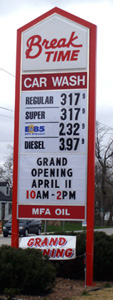 A BreakTime gas station in Fulton, Missouri sold E85 for 85 cents below unleaded during a grand opening event on Friday. Officials say E85 will sell for 20% below regular unleaded as a normal pricing.

 A pilot plant proposed by Green Plains Renewable Energy would use three byproducts from the company’s Shenandoah plant – waste water, waste carbon dioxide, and waste heat from dryers – as feedstock to grow algae. The algae would then be harvested and processed into biodiesel
 I am honored to be able to say I have worked for Carmenita Truck Center for over sixteen plus years. In that time I have had the opportunity to assist business owners and fleet managers with supplying and designing trucks to make their businesses more efficient and profitable.