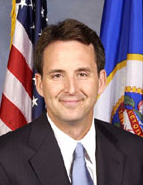
 Gov. Tim Pawlenty is asking the Environmental Protection Agency to approve the testing of E-85 conversion kits in Minnesota. According to an EarthToys press release, Pawlenty sent a letter this week to EPA Administrator Stephen Johnson to approve the FlexTek conversion kit (see previous post) which is already being used in Brazil.
The EPA currently prohibits a company or individual from converting a gasoline vehicle to E-85 operation.
However, conversions could result in emissions benefits and help reduce the nation’s addiction to fossil fuels, said Pawlenty.
Pawlenty said his staff would contact EPA officials to further discuss testing the equipment in Minnesota.
 I wish everyone would send me press releases with nice pictures attached like this one from
  A three-day conference in Tifton, Georgia next week will cover everything anyone would ever want to know about bioenergy – from research and production to marketing and legislation. The
  One of two ethanol plants being built by
 The alliance known as

 The state of Maryland is not towing the “Old Line” when it comes to new fuels.