

 Small railroads are seeing big opportunities in hauling corn to ethanol plants and then transporting the finished product and by-products back out again.
An Associated Press article discusses the potential ethanol is presenting for the Minnesota-basedTwin Cities & Western Railroad with its mere 200 miles of track.
Chief operating officer Mark Wegner said his trains carry mainly corn and soybeans. But ethanol is working it’s way into the lineup.
“It has gotten everybody’s attention and it is seen as a huge opportunity,” said Wegner.
Besides the Twin Cities and Western, Wegner also helps manages a second company, the 94-mile-long Minnesota Prairie Line. He said ethanol accounts for almost a quarter of the business on the two railroads. An ethanol plant in Granite Falls is one customer.
“Granite Falls, which opened in December of 2005, we do a good program of bringing corn into it as well as bringing ethanol and DDG’s out,” Wegner said.
DDG stands for distillers dried grain, an ethanol byproduct used for livestock feed.
 Domestic Fuel welcomes our newest blogger, John Davis.
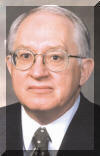 The Secretary of the Arkansas Agriculture Department wants his state to focus on biodiesel, not ethanol.
  2006 was an incredible year of growth of the ethanol industry and 2007 promises to be just as big. As production grows, education and marketing of the farm-based fuel becomes even more important and that is why the Ethanol Promotion and Information Council has a busy year already lined up. In this “Fill Up Feel Good” podcast, EPIC Senior Director of Marketing Reece Nanfito talks about some of the programs, events and promotions in the plans.
 The opening of Iowa’s first biodiesel plant is set for this April in Newton, and now a second one will be built in Huxley. According to the Des Moines Register, a $15.4 million dollar facility, will be built by Ames-based
  New vehicles capable of running on up to 85 percent ethanol are the stars of the North American International Auto Show in Detroit this year, according to the
 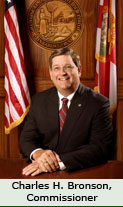 Florida’s Commissioner of Agriculture is a man on a mission – to make Florida the nation’s leader in biofuels production.