

Poor crop conditions and higher grain prices north of the border are causing an uptick in exports of the ethanol co-product dried distillers grains (DDGS) to Canada.
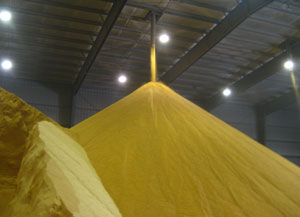 According to the U.S. Grains Council, 350 cars containing approximately 31,500 metric tons of DDGS were purchased last week by Canada’s largest distiller’s grains importer, Rycom Trading Ltd. Ryan Slozka, senior trader at Rycom says that poor weather has caused inadequate pasture conditions in Canada this year. “Western Canadian feeders rely heavily on U.S. DDGS and now possibly whole corn, which we are watching closely. We will wait and see if crop conditions improve here in western Canada, but as long as cattle feeders continue to see good results with feeding U.S. corn DDGS, we anticipate this upward trend in demand to continue,” said Slozka.
In 2008, Canada imported 772,000 tons of U.S. DDGS, up 453,000 tons from 2007, making Canada the second largest market for U.S. DDGS. This year’s imports are already running ahead of last year.

 For the first time, the federal government has issued offshore wind leases to explore the potential of the energy source.
 A variety of local and political hurdles have so far prevented wind farms from being built off American coasts.
 Hybrid vehicles are great for the environment, but like any car, they do break down. A training program at the West Virginia University is teaching mechanics how to keep those green vehicles on the road.
 Earlier this month, I told you about how the airlines have been more and more accepting of biofuels (see my posts from
  As we approach America’s independence day, the “energy security” benefit many organizations and government officials tout may be overblown, according to a new study conducted by
 The Department Of Energy (DOE) is getting closer to shelling out some cash as part of its role in the new