

A collaborative effort has produced a yeast strain that speeds up the process of making ethanol from cellulosic materials.
Researchers at the University of Illinois, Lawrence Berkeley National Laboratory, the University of California at Berkeley, Seoul National University and the oil company BP worked together to develop the newly engineered yeast strain that can simultaneously consume two types of sugar from plants to produce ethanol.
The sugars are glucose, a six-carbon sugar that is relatively easy to ferment; and xylose, a five-carbon sugar that has been much more difficult to utilize in ethanol production. The new strain, made by combining, optimizing and adding to earlier advances, reduces or eliminates several major inefficiencies associated with current biofuel production methods.
 “Xylose is a wood sugar, a five-carbon sugar that is very abundant in lignocellulosic biomass but not in our food,” said Yong-Su Jin, a professor of food science and human nutrition at Illinois and a principal investigator on the study. “Most yeast cannot ferment xylose.” A big part of the problem with yeasts altered to take up xylose is that they will suck up all the glucose in a mixture before they will touch the xylose, Jin said. A glucose transporter on the surface of the yeast prefers to bind to glucose. “It’s like giving meat and broccoli to my kids,” he said. “They usually eat the meat first and the broccoli later.”
The research objective was to develop a way for the yeast to quickly and efficiently consume both types of sugar at once, a process called co-fermentation. According to the researchers, the new yeast strain simultaneously converts cellobiose (a precursor of glucose) and xylose to ethanol just as quickly as it can ferment either sugar alone. They say it is at least 20 percent more efficient at converting xylose to ethanol than other strains, making it “the best xylose-fermenting strain” reported in any study.
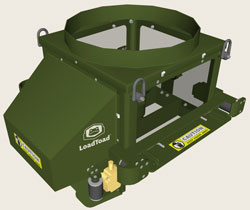 It’s called the Load Toad™ and it was designed to allow rail cars to be packed more densely by forcing DDGS to the sides of the rail car, a process that is usually done by hand with a shovel. By distributing the DDGS load more evenly and efficiently, POET plants have been able to pack 3%-5% more DDGS into each car.


 Scaled up, VandenBrekel envisions a host of 1,000-to-20,000-acre farms across the Southeast where algal fuel is grown, processed and used locally, from community gas stations to diesel fleets such as school buses. Success, he says, would create no less than a “rebirth of American agriculture.”




 The use of up to 15 percent ethanol in gasoline for 2007 model year vehicles or newer has been approved by the federal government, while the use of E15 in model year 2001-2006 vehicles is still being evaluated. The research at Kettering will look at vehicles older than 2000 model year, for which the use of higher ethanol blends has been denied by the EPA.