

While Volkswagen has been known for its cars friendly to 100 percent blends of biodiesel, it seems that the last couple of years of the German carmaker’s Turbocharged Direct Injection (TDI) line of vehicles must run at much lower blends.
This piece from EnergyDigital.com says that while VW’s Super Bowl ads were winners, the “upgraded” TDIs from 2009 and newer are losers when it comes to biodiesel, running just 5 percent of the green fuel:
What we have here is a classic example of environmental protection regulation backfiring. While it is absolutely necessary to ensure that industrial practices are as minimally destructive to the environment as possible, it is also counterintuitive when the regulations created actually promote increased fossil fuel consumption over biofuels. Several TDI aficionados have expressed their disappointment in the new TDI engines in blogs and Internet comment boards, even forming grassroots associations calling for biodiesel-compatible TDI engines to return to VW’s lineup. There were several instances in 2009 where buyers  of the new TDIs were uninformed of the engine’s inability to use higher blend biodiesel—the whole reason they bought the car in the first place! VW is currently in the process of approving the new TDI engines for B20 biodiesel blends, but true-blooded biodiesel supporters—the “B100 or nothing” crew—are turning to older TDI models to get their biofuel fix.
Hmmm… maybe we can get that little Darth Vader kid to fix this problem (he won the Super Bowl ads competition as the most creative of the night, right?).

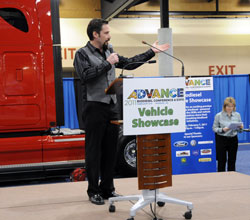 During the National Biodiesel Conference some of the latest biodiesel powered vehicles are on display inside the trade show. Like last year, a presentation was made that included comments from various auto company and vehicle representatives.
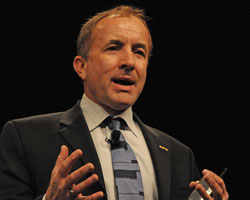 Be skeptical of phony “science.” Good advice and I wish more people who take it, especially when it comes to biofuels and issues like climate change. Today’s National Biodiesel Conference keynote speaker provided lots of examples of how people are easily fooled. He was Michael Shermer,
 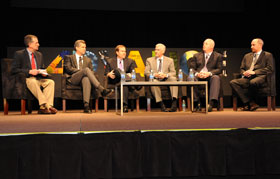 Maybe this will become a tradition. At this year’s National Bioediesel Conference we got a repeat of last year’s petroleum industry experts panel. Included this year are Ron Marr – Minnesota Soybean Processors; David Blatnik – Marathon Petroleum Company; John Cusick – Morgan Stanley Capital Group.; Bruce Heine – Magellan Midstream Partners; Jim Lelio – Kinder Morgan Pipeline Group and C. Mike Reed – NIC Holding Corp.
 To help ensure that safety remains top priority for those who transport and bring ethanol to the marketplace, the
  As a part of the Alternative Fuels Trade Alliance, the RFA and CCCs are able to hold these Ethanol Safety Seminars through the $1.6 million grant received from the U.S. Department of Energy (DOE). This grant has been used to raise public awareness and foster understanding of alternative fuels and advanced vehicle technologies across the country. The goal of these seminars is for attendees to gain a full ethanol emergency response training experience that they can put to use immediately in the field, as well as pass along to other first response teams. A majority of this training is based on the Complete Training Guide to Ethanol Emergency Response, a training package created by the Ethanol Emergency Response Coalition (EERC) that has been distributed throughout the United States and to several countries worldwide.
 The American Ethanol marketing agreement, led by Growth Energy in partnership with the
 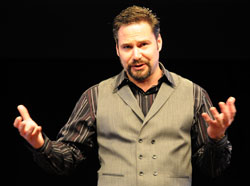 The opening general session of the National Biodiesel Conference is now taking place and NBB CEO Joe Jobe just left the stage. Joe gave us a rousing opening speech and I’ve recorded it for you so that you can listen or download below.