More and more companies are moving to powering their manufacturing facilities and company headquarters with renewable energy. This week the EPA announced its Top 20 On-Site Generation List. This is a list of the organizations that are using the most on-site green power to energize their operations. The list is part of the Green Power Partnership. The winner was Kimberly Clark Organization who generates 7 percent of its electricity from biomass. Several cities in California made the top 20 including San Diego, San Francisco and San Jose. Also on the list: Wal-Mart and the U.S. Air Force.
Also on the list at number 18 was Zotos, a hair care brand. According to the EPA’s site, nearly 60 percent of the company’s electricity is generated from on-site wind energy. The reason Zotos stands out is while most companies purchase renewable power from electricity companies, they actually generated their power from wind turbines located right on their campus. According to the American Wind Energy Association, the Zotos Wind Project is considered one of the top on-site wind projects currently being undertaken by a manufacturing company in the United States.
“It was a sizable investment to purchase the wind turbines, but it was a small price to pay when compared to the major benefits it creates for the community of Geneva, NY, and our environment,” says Anthony Perdigao, Zotos Chief Sustainability Officer.
With approximately 6.5 million kWh of electricity produced annually, the Zotos wind turbines will provide more than 50 percent of organization’s energy requirements and are expected to reduce overall CO2 emissions by 50 percent in 2011. Zotos’ energy goal is to utilize 100 percent renewable energy by 2012.
 Instead of calling the usage category “ethanol for fuel” USDA has changed the wording to “ethanol & byproducts,” with a footnote reading “Corn used to produce ethanol and by-products including distillers’ grains, corn gluten feed, corn gluten meal, and corn oil.”
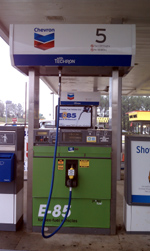
 USDA is issuing a rule to clarify that the definition of renewable energy systems in the Rural Energy for America Program (REAP) includes flexible fuel pumps, sometimes referred to as “blender pumps.” This clarification is intended to provide fuel station owners with incentives to install flexible fuel pumps that will offer Americans more renewable energy options. The Obama administration has set a goal of installing 10,000 flexible fuel pumps nationwide within 5 years.




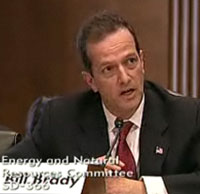 Bill Brady, CEO of