

 The use of anaerobic digesters for livestock operations in the Southwest is the focus of the Renewable Energy Education Field Day webinar planned for later this month.
The webinar will be presented on Wednesday October 26 and will examine technical, environmental and financial factors to consider when installing an anaerobic digester on a livestock operation and specifically the use of digesters with dry manure and the unique environmental issues and climatic conditions of the Southwest.
The virtual Field Day is free of charge and targeted to dairy and beef producers in New Mexico, Arizona, California, Colorado, Kansas, Oklahoma and Texas. Representatives of environmental and agricultural organizations working with livestock producers, as well as staff from state and federal agencies, are also encouraged to participate.
 The webinar’s origination site will be the New Mexico Farm and Ranch Heritage Museum, Las Cruces, N.M., where anyone interested in the area is invited to attend live. Five viewing sites have been set up across the Southwest at Lamar Community College, Lamar, Colo.; Otero County Extension Office, Rocky Ford, Colo.; Arizona State University, Polytechnic Campus, Mesa, Ariz.; the U.S. EPA Region 9 Office, San Francisco, Calif.; and the Texas A&M’s AgriLife Research and Extension Center, Amarillo, Texas. Additional sites may be added.
Farm Foundation, NFP is organizing this webinar in collaboration with USDA Rural Development, USDA’s Office of Energy Policy and New Uses, and USDA Natural Resources Conservation Service. There is no charge to participate in this webinar, but registration is required by going to the FarmFoundation.org website. This is the second Renewable Energy Education Field Day presented by Farm Foundation, NFP and USDA agencies. Biomass was the subject of the first Field Day in November 2010.


 The Flex Fuel Pump Program, unveiled during the Indiana Ethanol Forum in Indianapolis earlier this summer, awarded cost-share dollars to Indiana fuel retailers looking to install flex fuel pumps.
 The board of
  According to a statement from the board, “Mr. Stroburg and Mr. Oh have worked together closely throughout the last six years to manage the company’s strategic development. With more than twelve years at the helm of the company and an impressive resume of agricultural and energy industry leadership, we are pleased Mr. Stroburg will remain on the board to share his vision and leadership as the Chairman.”
 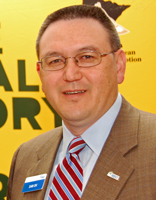 “Working closely with Mr. Stroburg has been a remarkable learning experience,” said Oh. “More than a decade ago he had a vision for a value-added agricultural business that would move our country away from imported petroleum. I look forward to maintaining our relationship as he continues to lend his experience and expertise as the Chairman of the Board.”
 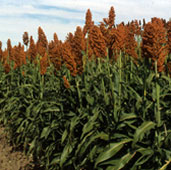 Louisiana State University is getting $17 million from USDA to study how to turn sugar cane and sorghum into biofuels.
 This new project is in addition to a
  At the Seattle-Tacoma Airport on Wednesday, Agriculture Secretary
  The WSU project will focus on converting closed timber mills into bioenergy development centers to develop a regional source of renewable aviation fuel for the Sea-Tac Airport.

 The
The  Noting that the report cited was funded by OPEC’s International Development arm, GRFA spokesperson, Bliss Baker said, “This so-called report from 2009 cannot withstand any level of academic scrutiny and is a self serving attempt to distract people from the real impact that energy prices are having on global commodities.”