California has reached a major milestone in electric vehicle (EV) infrastructure with 100 upgraded EV charging stations installed.
 EV Connect, a leading provider of electric vehicle infrastructure solutions and Clipper Creek, producers of the world’s first Underwriters Laboratories listed vehicle charge stations, announced the 100th charging station deployment this week. It is located in the Waterfall Building garage in downtown Sacramento. The public access garage serves primarily government employees and the EV spaces are consistently full.
 EV Connect and ClipperCreek have been upgrading legacy charge stations throughout California to be compliant with the North American SAE-J1772 standard connector for electric vehicles. The statewide upgrade, slated for at least 600 EV charging stations, is being completed by EV Connect’s North American network of over 150 qualified, trained and certified contractors.
“Upgrading legacy infrastructure is critical to making electricity a viable fuel for the growing number of EV owners in California. There’s great momentum, with many automakers delivering plug-in vehicles to dealerships in the next 18 months and the California Energy Commission estimating 1.5 million electric vehicles on state roads by 2020,” said Jordan Ramer CEO of EV Connect.
“As California leads, the rest of the country is sure to follow,” said Jason France, CEO of ClipperCreek. “We’re proud to be leading the charge.“
 Engaging the consumer to grow demand and improve industry image for biofuels will be among the topics addressed at the
 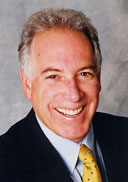 Canton is a renowned global futurist, social scientist, keynote presenter, author, and visionary business advisor who has been insightfully predicting the key trends that have shaped our world for over 30 years. He founded the Institute for Global Futures in 1990 as a leading think tank to advise business and government on future trends.
 Crown Express Mart is opening Raleigh’s first E85/Biodiesel fuel station today.
  In addition to the shorter name, the company has a new leadership team for the business. Steven J. Mirshak has been named business director, DuPont Cellulosic Ethanol. He was most recently the president of DuPont Tate and Lyle Bio Products, a joint venture between DuPont and Tate and Lyle in Loudon, Tenn. DuPont also named Keith Gibson as the plant manager for the planned cellulosic ethanol facility in Nevada, Iowa. Gibson joins DuPont Industrial Biosciences from Iroquois Bio-Energy Company, LLC, where he served as the general manager and president. At Iroquois, he was instrumental in the company formation, operation, financing, and marketing of ethanol.