Researchers at Aalto University in Finland have developed a method using microbes from wood biomass to produce butanol suitable for biofuel and other industrial chemicals. Butanol is particularly suited as a transport fuel because it is not water soluble and has higher energy content than ethanol.

Until now, starch and cane sugar have been the most commonly used raw materials in butanol production. In contrast, the Aalto University study used only lignocellulose, otherwise known as wood biomass, which does not compete with food production.
Another new breakthrough in the study is the successful combination of modern pulp and biotechnology. Finland’s advanced forest industry provides particularly good opportunities to develop this type of bioprocesses.
Wood biomass is made up of three primary substances: cellulose, hemicelluloses and lignin. Of these three, cellulose and hemicellulose can be used as a source of nutrition for microbes in bioprocesses. Along with cellulose, the Kraft process that is currently used in pulping produces black liquor which already can be used as a source of energy. It is not, however, suitable for microbes. In the study, the pulping process was altered so that, in addition to cellulose, the other sugars remain unharmed and therefore can be used as raw material for microbes.
When wood biomass is boiled in a mixture of water, alcohol and sulphur dioxide, all parts of the wood – cellulose, hemicellulose and lignin – are separated into clean fractions. The cellulose can be used to make paper, nanocellulose or other products, while the hemicellulose is efficient microbe raw material for chemical production. The advantage of this new process is that no parts of the wood sugar are wasted.
In accordance with EU requirements, all fuel must contain 10 percent biofuel by 2020. A clear benefit of butanol is that a significantly large percentage – more than 20 percent of butanol – can be added to fuel without having to make any changes to existing combustion engines. The nitrogen and carbon emissions from a fuel mix including more than 20 percent butanol are significantly lower than with fossil fuels. For example, the incomplete combustion of ethanol in an engine produces volatile compounds that increase odor nuisances in the environment. Estimates indicate that combining a butanol and pulp plant into a modern biorefinery would provide significant synergy benefits in terms of energy use and biofuel production.


 The




 Strong sales of E85 continue across the Midwest and especially in Minnesota, according to organizations that track sales.

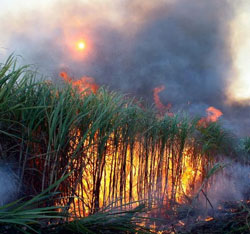 The research team used agricultural survey data from Brazil to calculate emissions of air pollutants and greenhouse gases from the entire production, distribution, and lifecycle of sugarcane ethanol from 2000 to 2008.
 Representatives of the U.S. biodiesel industry are urging Congress to pass a seamless extension of the biodiesel tax incentive. The $1-per-gallon biodiesel tax credit is slated to expire on Dec. 31. Bipartisan legislation has been introduced in the U.S. House and Senate to extend it for three years. Proponents of the bill