

Biodiesel blends operate trouble-free all winter in cold climates in vehicles, buildings and even homes. All you need to be successful is high-quality fuel and good fuel management, according to the National Biodiesel Board.

The largest municipal user of biodiesel, New York City, uses biodiesel blends in snow removal equipment. The New York City Parks & Recreation Department was the first city agency to pilot biodiesel in 2005 and still uses B20.
The 850-vehicle strong diesel fleet helps to maintain more than 29,000 acres in New York City. The fleet includes more than 40 different types of vehicles and equipment – handling everything from snow removal to landscape and parks maintenance to road construction and waste management.
The New York City Sanitation Department also uses biodiesel blends in vehicles used to fight winter weather, such as salt spreaders and plows. 
“We can’t afford for our garbage trucks not to run,” said Supervisor of Mechanics Spiro Kattan. “Our trucks don’t only pick up garbage, they are also equipped with snowplow hitches. We’re a part of the city’s snow emergency plans and the residents of New York City would not be too happy if our vehicles went down during a snow storm.”
Further, JFK International Airport uses B20 to keep runways clear even in the worst of snowstorms.
In addition, New York City enacted a groundbreaking law requiring that all heating oil sold in the city contain at least two percent biodiesel beginning in October 2012. Bioheat® is already keeping many homes and offices warm this winter, including New York City Parks’ buildings.
 Agriculture Secretary Tom Vilsack is in Hawaii this week to address the annual meeting of the
  “Registration is required and can be done on-line at
 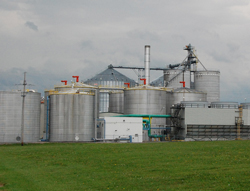 Ethanol plants continued to crank up production right through the end of 2011, setting yet another record for the last week of the year after already setting new records for the two weeks prior.
  Managers of ethanol plants are encouraged to attend the latest in the


 The expiration of the VEETC resulted in an immediate a 38-cent increase on every gallon of clean E85, which the coalition notes reduces the incentive for Americans to buy domestically produced fuels, and endangers the investments of millions of Flex Fuel auto owners, E85 retailers, producers, equipment manufacturers, and other supporters.
  As expected, the