

 Global chemical giant BASF has invested $30 million in a Pennsylvania-based company that has developed a process to produce cellulosic sugars for renewable chemicals and biofuels.
BASF, through subsidiary BASF Biorenewable Beteiligungs GmbH & Co. KG led a $50 million financing round in the technology firm Renmatix Inc.
 Renmatix has developed the patented Plantrose™ platform whereby industrial sugar can be produced from lignocellulosic biomass (wood, cane trash or straw). In the Plantrose technology, biomass is split into cellulose and sugar in supercritical water at high temperature and pressure in a two-step process.
Industrial sugars are important renewable resources for the chemical industry and can be used, for example, to produce biofuels or basic chemical products and intermediates by fermentative processes. The availability of industrial sugars in sufficient quantities and at favorable cost is therefore important for the competitiveness of the products.
 “This ruling reaffirms our position that the state of California violated the U.S. Constitution when it created a low carbon fuel standard punitive to farmers and ethanol producers outside of the state’s border,” said

 At the end of 2011, the
  In this edition of “The Ethanol Report,” Renewable Fuels Association president and CEO Bob Dinneen comments on the year in preview and some of the top ethanol stories he expects to see in 2012.
 Company officials say the plant closures are temporary and due to current depressed market conditions for ethanol. The two plants amount to 55 million gallons per year of production.
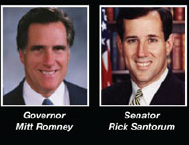 The two Republican presidential candidates who topped the Iowa Caucus in a virtual dead heat Tuesday night are both considered to be supporters of renewable fuels.
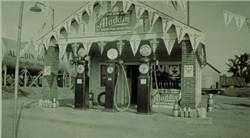 In honor of the cooperative’s 85th anniversary this year, a
  The renewal of the biodiesel tax incentive at the end of 2010 led to record production this year and a renewed optimism for the industry. Meanwhile, the ethanol industry saw the approval of E15 in newer vehicles at the beginning of the year, although it has yet to make it to the pump, and the end of 2011 means the end of the Volumetric Ethanol Excise Tax Credit and associated import tariff. 2011 was also a great year at the races, with NASCAR fueled with 15% American Ethanol.