

A new report from Carbon Trade Watch, “Nothing Neutral Here: Large-scale biomass subsidies in the UK and the role of the EU ETS,” is sounding alarms over the UK’s move to increase biomass consumption as part of its green economy plans. Earlier this month, Brazilian Suzano Papel e Celulose received approval for what is believed to be the most advanced genetically modified (GM) tree plantation trial ever.
The report ties together demand for biomass in the UK to the role of the EU’s Emissions Trading System and what Carbon Trade Watch says is the destructive expansion of industrial monoculture tree plantations around the world. The report came on the heals of an April 26, 2012 announcement from the UK government regarding its bioenergy strategy that included increased energy production from biomass. Carbon Trade Watch believes the “British biomass boom” will benefit polluters and cause “widespread environmental destruction through land grabs and deforestation.”
 “The British government seems determined to lock the country into a dirty energy pathway that fuels climate chaos, arguably the greatest modern day threat to human survival,” said report author Joseph Zacune. “Campaigners are warning that the government’s new bioenergy strategy will require around 80 million tonnes of wood for biomass energy that would unleash land grabs and cause major emissions from deforestation. Why should we continue to subsidise polluters in favour of appropriate energy solutions like wind, solar and tidal energy?”
According to Carbon Trade Watch, local communities across the UK are campaigning to stop biomass-fueled power plants while companies are “greenwashing their polluting activities.
Tamra Gilbertson co-director of Carbon Trade Watch added, “Climate justice struggles bring together grassroots networks, groups and individuals that are demanding tough action against the root causes of climate change and for a truly sustainable, affordable and democratic energy system. To continue the same over-production and over-consumption of energy is a dead-end but governments continue to ensure that profit-seeking corporations control the energy systems and pollute our skies.”
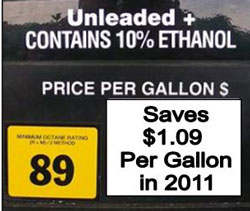 An update to a 2009 report from the Center for Agricultural and Rural Development (CARD) on the impact of ethanol on domestic gasoline prices was released today, showing that ethanol reduced wholesale gasoline prices by $1.09 per gallon nationally last year.
 Since the study is based on just 10% ethanol in the nation’s gasoline supply, Dinneen notes that increasing that under the E15 waiver approved by EPA can only result in more savings. “If you’re going to be adding 50% more of a product that is less expensive than gasoline to the overall blend, you’d be providing consumers an even more significant benefit,” he said. “We believe the economics of ethanol are going to drive E15 into the marketplace this summer.”



 In Louisiana,



 “AFP’s energy policy should come with a whiplash warning,” stated IRFA Executive Director Monte Shaw. “They start by saying the government should not pick ‘winners and losers’ and then turnaround and promote favorable tax subsidies for the oil industry. Whenever a pro-oil group like AFP comes into Iowa spreading inaccurate or out-of-date information, IRFA will be here to set the record straight.”